




FedEx Reinforces Long-Term Commitment to Saudi Arabia Amid Global Supply Chain Disruption
1- How resilient is the logistics sector to ongoing disruptions? Does FedEx have contingency plans in place, and is FedEx planning to relook at its Middle East strategy in case of extended disruptions?
- The logistics sector is operating in a more demanding environment as regional developments continue to affect global supply chains and cross-border trade. Across the sector, resilience is increasingly defined by adaptability, with providers strengthening contingency plans, expanding routing options, and relying on more diversified transportation networks to reduce pressure on any single corridor.
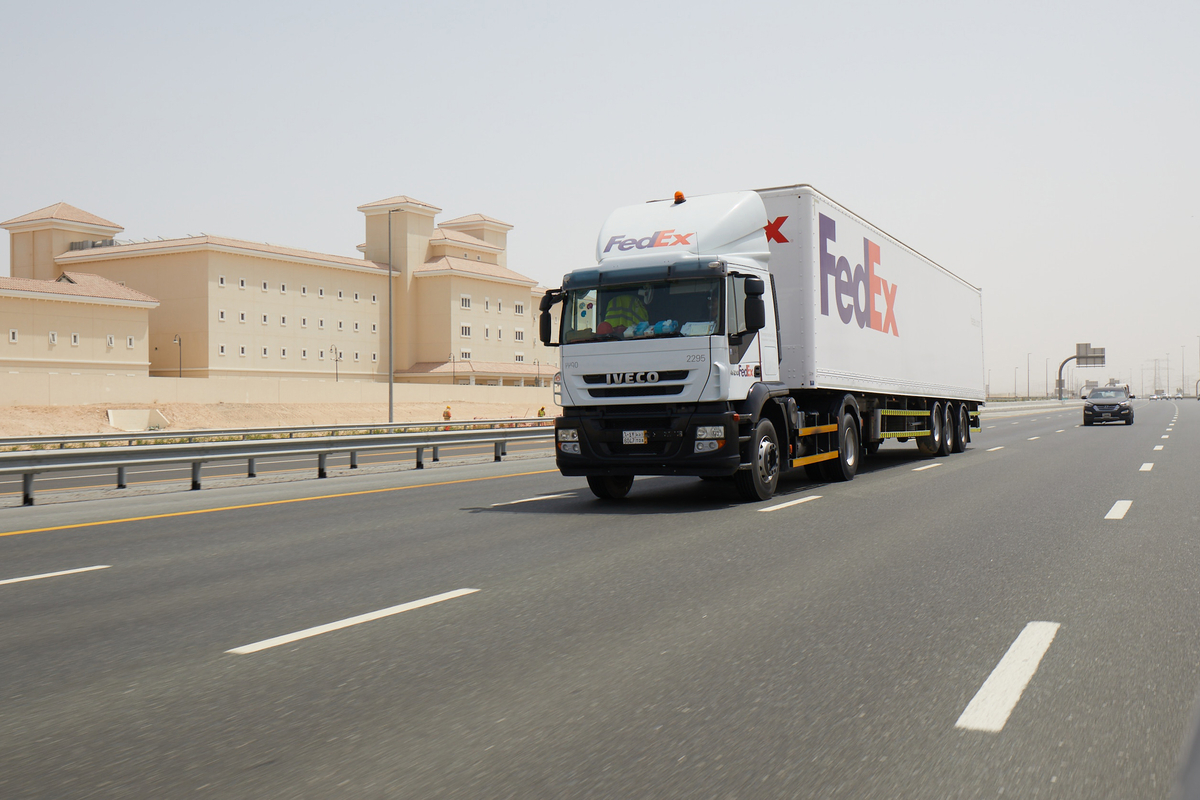
At FedEx, resilience is embedded in both our physical network and operating model. Our integrated air and ground network enables us to rapidly adapt routes and modes as conditions evolve, supported by alternative international gateways such as Johannesburg, Nairobi, Istanbul, and Amsterdam to maintain connectivity between the Middle East, Europe, and the United States. Complementing this, our Middle East Road Network facilitates efficient redistribution from key hubs such as Riyadh and Dubai across the GCC and Jordan, while expanding into new routes such as Iraq.
The Middle East, particularly Saudi Arabia, remains strategically important to FedEx, and extended disruptions do not alter the region’s long-term strategic importance to our network. Our focus is on recalibrating within the network as conditions evolve, rather than reconsidering our strategy in the region.
Saudi Arabia’s Vision 2030 positions the Kingdom as a global hub connecting Asia, Europe, and Africa, while the National Transport and Logistics Strategy aims to strengthen transport integration, enhance capabilities, and advance the Kingdom’s role as a global logistics hub. This complements Saudi Arabia’s growing importance to global commerce and reinforces the long-term opportunity we see in the market.
Ultimately, our priority is to help businesses maintain continuity through a network built to operate reliably in an increasingly dynamic environment.
2- How is FedEx ensuring that trade routes and lines are not interrupted in the current geopolitical context, and where does the Kingdom stand in that?
- In today’s environment, maintaining trade continuity depends on visibility, agility, and the ability to adapt quickly as conditions change. At FedEx, we support this through flexible network design, alternative routing options, predictive visibility, and digital tools that help customers anticipate disruption early, adjust routing quickly, and keep shipments moving with minimal friction.
In Saudi Arabia, this is further supported by digital capabilities that help streamline import and customs-related processes, improve visibility, and enable goods to move more efficiently across borders. Together, these capabilities strengthen continuity even in a dynamic operating environment.
The Kingdom is playing an increasingly important role in that effort. As Saudi Arabia strengthens its position as a regional trade and logistics hub, its expanding infrastructure, connectivity, and trade momentum are reinforcing its role as a critical anchor for trade continuity across the Middle East.
3- Are FedEx customers seeing cancelled or delayed shipments? If so, how is FedEx dealing with this, and what is the trend of such delays or cancellations?
- Shipping conditions remain dynamic, and in periods of disruption, transit times can be affected by factors such as airspace restrictions, route availability, regulatory requirements, and capacity across specific lanes. In some cases, shipments may require rerouting or timing adjustments depending on origin, destination, and shipment type.
At FedEx, our focus is on minimizing that impact through close operational monitoring, proactive communication, and early intervention when needed. Predictive visibility helps customers identify potential issues earlier and respond more quickly as conditions change. Combined with the flexibility of our network, this allows us to manage exceptions more effectively and keep goods moving.
In Saudi Arabia, ongoing infrastructure and customs modernization also support more reliable trade flows and strengthen the operating environment during periods of disruption.
4- Has FedEx shifted more of its operations through Saudi Arabia in recent times? Has that affected operations, and what role does Saudi Arabia now play within FedEx’s broader Middle East strategy?
- Saudi Arabia has become increasingly central to the FedEx strategy in the Middle East, reflecting the Kingdom’s growing role in global trade, industrial growth, and cross-border connectivity. Our strategy in Saudi Arabia remains firmly in place, underpinned by confidence in the Kingdom’s role in advancing Vision 2030, supporting economic diversification, and strengthening regional trade flows.
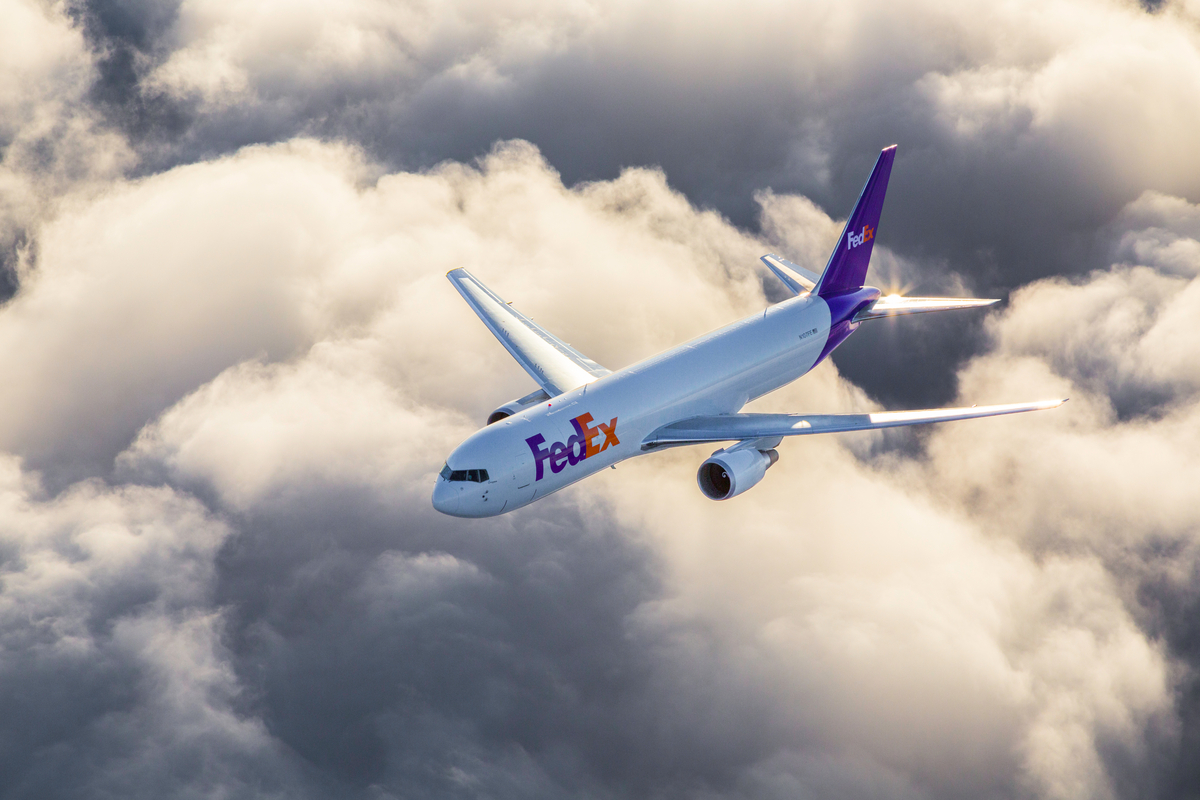
That commitment is reflected in our recent investments to expand and strengthen our presence and infrastructure in the Kingdom, including the launch of a dedicated non-stop FedEx flight connecting the Americas and Europe to Riyadh, with onward connections to Asia. Operating six times per week with a B777 freighter, the service enhances capabilities and market access, and supports faster access to key markets as trade volumes grow. The expansion also included new operational stations and gateways across Riyadh, Jeddah, and Dammam to further strengthen network resilience and reach.
Looking ahead, upcoming road corridors linking Riyadh with Jeddah, Dammam, and key GCC markets are expected to deepen integration of the FedEx air and Middle East Road Network. Planned infrastructure such as the future hub at King Salman International Airport serving Saudi Arabia, Bahrain, Kuwait, and Qatar, further reinforces the Kingdom’s emerging role as a strategic gateway for regional connectivity.
5- What kind of freight sees higher volumes during such times? Does FedEx assist with logistics for the Middle East’s defense industry? If so, what logistical capabilities does FedEx possess regarding special cargoes?
- In periods of disruption, demand often shifts toward time-sensitive, high-value, and business-critical shipments, particularly where continuity is essential for sectors such as healthcare, manufacturing, aerospace, high-tech, industrial operations, and other specialized industries. In these environments, reliability, control, and visibility become even more important.
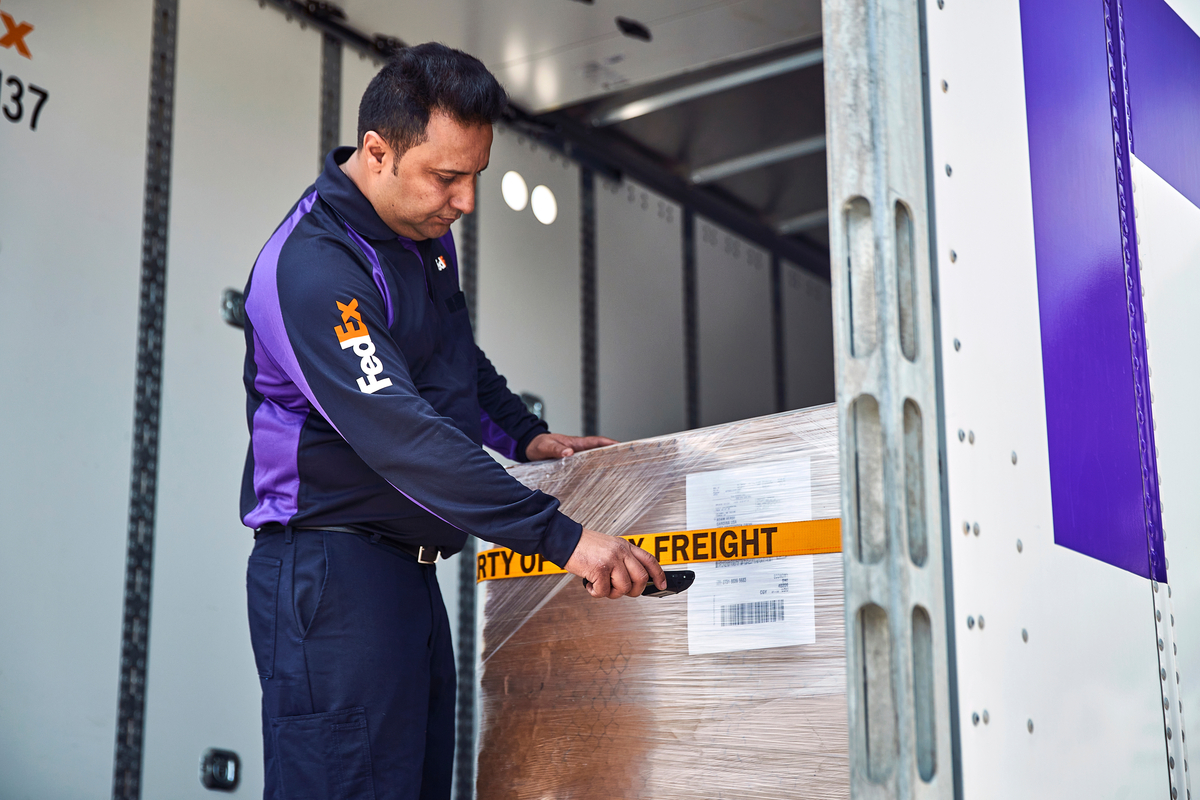
FedEx supports a wide range of industries with solutions designed for sensitive, high-value, and time-critical shipments, leveraging the scale of our global network, specialized logistics capabilities, and operational expertise to help customers maintain continuity in complex operating environments. This includes support for shipments requiring enhanced handling, compliance, and monitoring, including heavyweight and regulated goods, as well as freight that may be oversized, palletized, temperature-controlled, or classified as dangerous goods in accordance with applicable standards.
FedEx operates within applicable laws and compliance requirements and supports eligible specialized cargo where regulatory, safety, security, and documentation standards are met.
For customers moving sensitive or mission-critical cargo, predictability, reliability, and end-to-end visibility are often just as critical as speed. Our focus is on providing the network flexibility and expertise needed to keep these shipments moving reliably, even in more demanding operating conditions.

Abdulrahman Al Mubarak, Managing Director Operations at FedEx Middle East, Indian Subcontinent and Africa


