




Saudi Arabia, UNESCO, ICAIRE Call for Stronger International Cooperation on AI Ethics
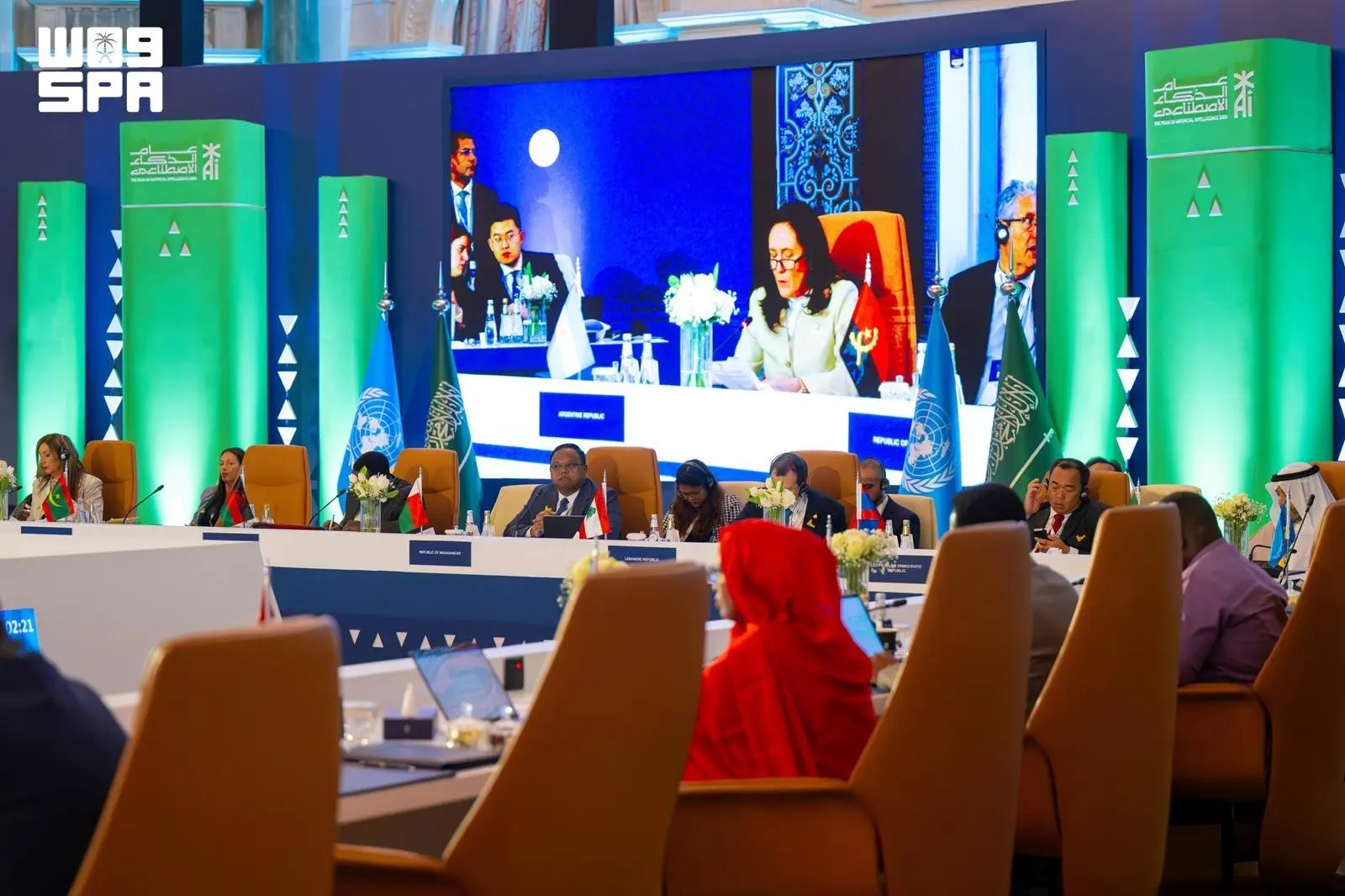
Saudi Arabia, the United Nations Educational, Scientific and Cultural Organization (UNESCO), and the International Center for AI Research and Ethics (ICAIRE) issued a joint international statement following a closed ministerial meeting held today in Riyadh as part of the Fourth UNESCO Global Forum on the Ethics of Artificial Intelligence (AI), hosted by Saudi Arabia from September 14 to 17, 2026, and attended by more than 60 ministers and international representatives from around the world.
The meeting was co-chaired by President of the Saudi Data and AI Authority (SDAIA) and Chairman of the ICAIRE Board Dr. Abdullah Alghamdi, representing Saudi Arabia, and UNESCO Deputy Director-General Åsa Regnér.
Alghamdi welcomed the Kingdom's guests to the forum and commended the constructive cooperation between Saudi Arabia and UNESCO across various fields for the benefit of peoples worldwide, particularly in AI, a rapidly evolving sector driven by global technological advancements.
The statement reads as follows:
International Cooperation
The meeting featured substantive discussions among ministers and senior officials representing 60 countries on the opportunities and challenges presented by AI. Participants underscored the importance of strengthening international cooperation to ensure that the development, deployment, and use of AI contribute to human well-being, sustainable development, and the public good.
They also reaffirmed the importance of continuing to be guided by the UNESCO Recommendation on the Ethics of Artificial Intelligence, adopted in 2021, as the global normative framework that provides a common foundation for the ethical, safe, inclusive, and sustainable development, deployment, and use of AI.
UNESCO Recommendation
Participants commended UNESCO's leadership in AI governance and encouraged the organization to further support member states in developing national strategies informed by its frameworks, while accounting for differing national contexts and capacities, as well as cultural and linguistic diversity.
Bridging Gaps
Participants emphasized the importance of international cooperation, intercultural dialogue, and mutual learning, particularly amid rapid technological advancement and a complex global environment. They underscored the role of multilateral cooperation in fostering trust and inclusive participation in the development and governance of AI technologies, with the active involvement of women and youth. They also stressed the importance of addressing the needs of developing countries, particularly in Africa, and bridging gaps in access to AI capabilities and infrastructure.
Infrastructure
Participants highlighted the importance of strengthening infrastructure, institutional capacity, skills, and knowledge sharing as fundamental pillars for ensuring the safe and ethical use of AI, while emphasizing the need to enhance cooperation among governments, international organizations, academia, the private sector, and civil society to address challenges that transcend national borders.
Fostering Responsible Innovation
The meeting co-chairs welcomed the spirit of dialogue and cooperation that characterized the ministers' discussions and called on member states and all stakeholders to strengthen implementation of the UNESCO Recommendation on the Ethics of Artificial Intelligence. They emphasized the importance of supporting international cooperation to develop and deploy AI in an ethical, safe, and sustainable manner, while safeguarding cultural and linguistic diversity and respecting national priorities and contexts. They also stressed the importance of fostering dialogue and knowledge-sharing among diverse stakeholders to ensure broad access to the benefits of AI technologies, promoting responsible innovation, and addressing potential risks in ways that uphold human rights and dignity. In addition, they highlighted the need to promote AI literacy, empower children and youth, facilitate their participation in AI governance, and protect their rights and safety in the digital environment.


