




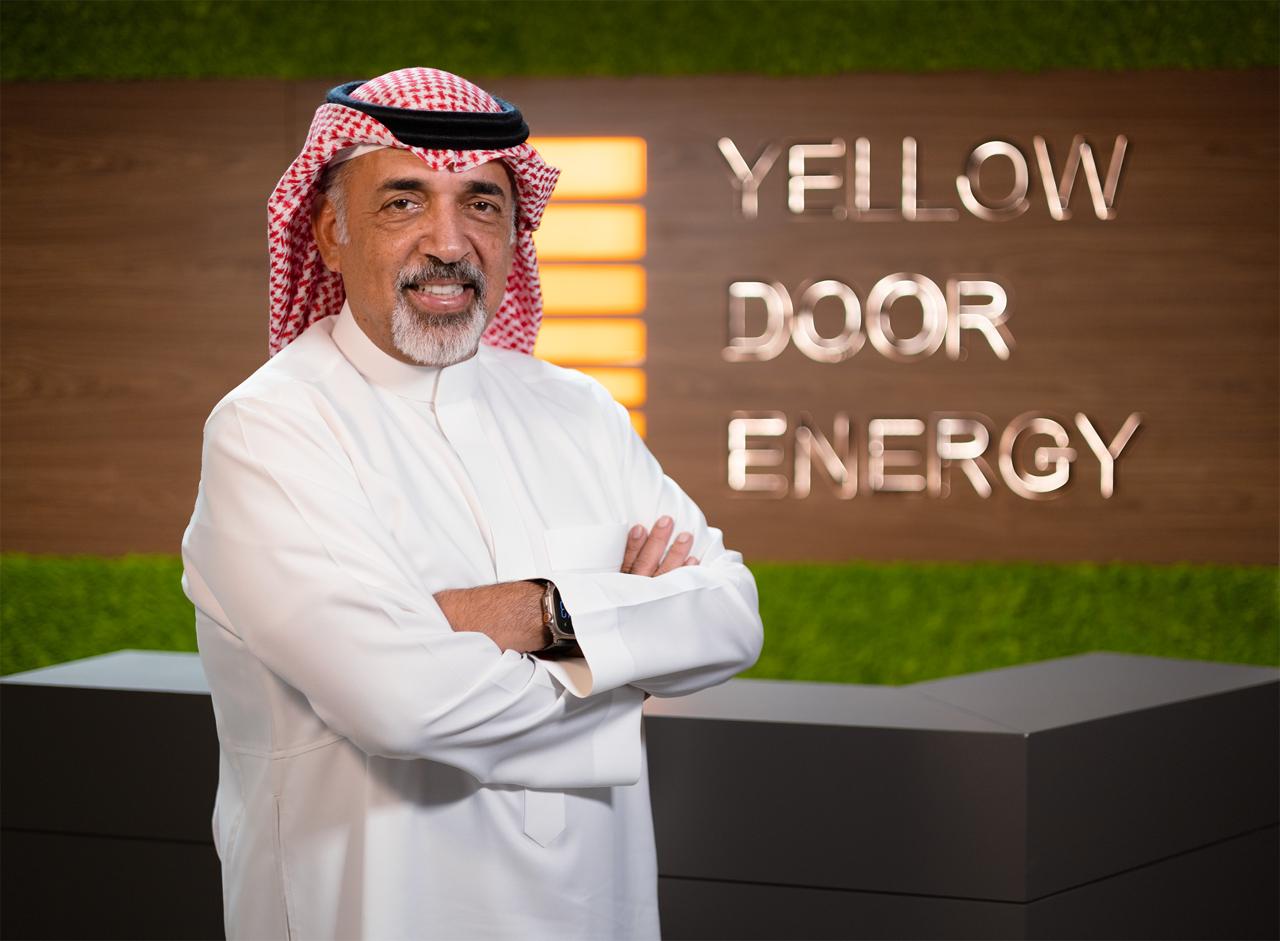
 Hisham Bin Faisal Alhegelan, CEO Middle East at Yellow Door Energy
Saudi Arabia’s Solar Surge: Reflections from 2025 and the Road Ahead
As we close out 2025, Saudi Arabia’s solar energy sector stands at a transformative crossroad. What began as an ambitious pillar of Vision 2030 has, in recent years, evolved into one of the Kingdom’s most tangible and fast-moving energy transformations. Over the last 12 months, the conversation was no longer about whether solar will play a role in Saudi Arabia’s future, but about how strategically it will be integrated into the national energy system.
2025: A Year of Momentum and Milestones
The Kingdom has rapidly expanded installed solar capacity, placing Saudi Arabia among the world’s fastest-scaling solar markets. Central to this progress are large utility-scale projects and recent tender rounds delivering solar and wind capacity exceeding 4.5 GWp across multiple provinces in the Kingdom.
This shift has been further accelerated as grid power pricing evolved in May 2025 for the commercial and industrial sectors. As electricity tariffs changed, solar energy emerged not only as a sustainability choice, but as a competitive alternative for businesses seeking greater cost predictability and operational resilience.
This acceleration reflects a broader shift in how energy is viewed across the Kingdom. Solar is no longer framed solely as a sustainability initiative; it is increasingly recognized as a strategic asset that supports energy security, industrial growth and long-term cost stability. Beyond utility-scale solar parks, 2025 has witnessed growing awareness of distributed solar potential, particularly in urban centers. A recent regional assessment highlights how rooftop solar could unlock massive urban generation opportunities: Riyadh alone has over 158 km² of technically suitable rooftop area, potentially generating roughly 40% of the city’s electricity needs if fully utilized.
Where Saudi Stands Today
Entering 2026, the Kingdom is actively transitioning from fossil-fuel-heavy power generation toward a diversified energy mix targeting 50% renewables by 2030 and Net Zero carbon emissions by 2060. Strategic public-private partnerships have catalyzed capital flows, innovation, and execution capacity that few emerging markets can match.
Solar technologies are also integrated with complementary solutions such as battery energy storage systems (BESS) and green hydrogen production, enabling more resilient and versatile clean energy infrastructures. These efforts are crucial for integrating intermittent solar generation seamlessly into the grid and scaling it to industrial demand profiles.
Yet, challenges persist. Grid integration, financing models, local supply chain development, and workforce capability remain focal points for sustainable growth. Addressing these will require a holistic ecosystem approach; one that blends policy support, capital markets, and innovative technology adoption.
Trends to Watch in 2026
As we look ahead, several trends will define the next phase of the solar revolution in Saudi Arabia:
1. Urban Solar & Distributed Generation: Expect rooftop and distributed solar to move from fringe interest to mainstream strategy in 2026. As economics improve and policy frameworks evolve, urban solar will unlock demand-side value and promote resilience at the local level.
2. Energy Storage: Battery energy storage adoption will accelerate rapidly, driven by cost declines and operational value. These systems are essential for balancing peak demand and enabling solar output to serve more of the daily load curve.
3. Localisation & Industrial Growth: Saudi Arabia’s push to localize solar technologies will go beyond installing projects and focuses on building capability inside the Kingdom. Over time, this will strengthen domestic supply chains, create skilled jobs, and establish new clean energy industrial clusters.
4. Regional and Global Exports: As Saudi Arabia scales its solar sector, it is also building expertise that can be exported beyond its borders. Overtime, Saudi will become an exporter of solar knowledge and talent, not clean energy alone.
5. Solar Leasing as a Solution: Solar leasing is gaining traction in KSA as companies look to cut costs without tying up capital. At Yellow Door Energy, we’re seeing more multinational and regional businesses choose the lease (OPEX) model over a traditional CAPEX purchase to go solar with no upfront spend.
Conclusion: A Solar Vision Coming Into Focus
2025 has been a defining year, where solar energy moved from planning boards into the fabric of Saudi energy strategy. As we enter 2026, the opportunity is vast, and Saudi Arabia is well positioned to shape an energy future that is resilient, diversified and sustainable.


