




Pottery in Makkah: From Daily Necessity to Heritage Decor
Pottery was once woven into daily life in Makkah, used in traditional homes to store and cool water, preserve food, and serve meals, before electrical appliances and modern kitchenware turned it from a household staple into a heritage item recalling a bygone era.
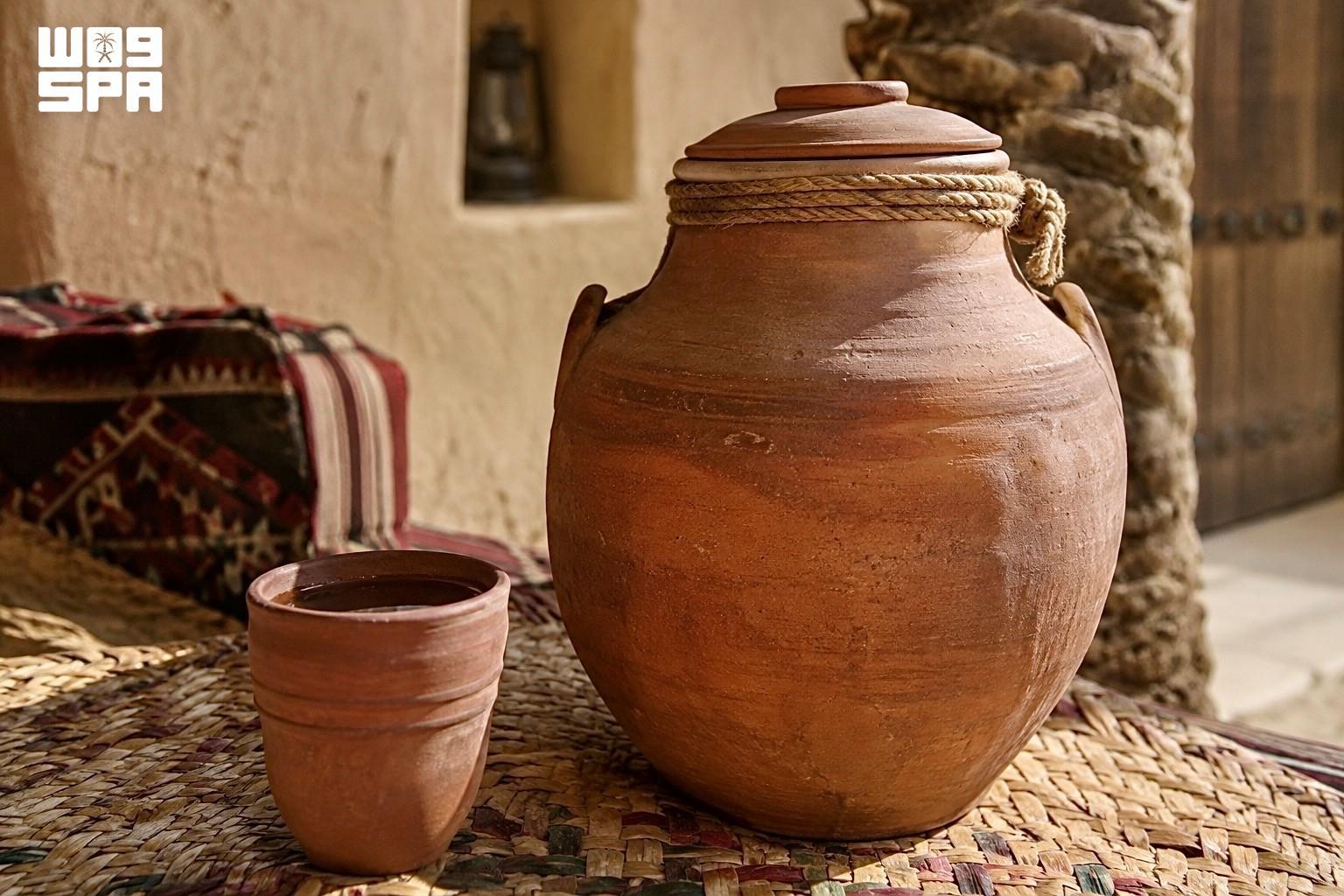
Earthenware came in many shapes and sizes, each suited to a purpose. Most prominent was the zeer, a large clay jar for drinking water. Its porous walls let a little water seep to the surface and evaporate in the heat, cooling the water inside, which made it invaluable in Makkah's hot climate long before refrigerators and water coolers. Smaller vessels known as mashrabiyat were placed within easy reach so family members and guests could help themselves to a drink, making them part of household hospitality.
Clay containers also held food and provisions, and earthenware dishes were used to serve meals, until stainless steel, glass, and ceramic kitchenware became commonplace.
With electricity, refrigerators, and water coolers, which kept food and water cool and were easier to use and clean, daily reliance on pottery declined.
Today, earthenware vessels have found a new role as decorative pieces in majlis rooms, entryways, and corners of the home, lending a heritage character that evokes traditional Makkah life. They also form part of the material heritage worth documenting, reflecting the skills of traditional craftspeople and how families adapted to their environment, and helping new generations discover tools that once played an essential role in their ancestors' lives.


