




Date Seasons in Saudi Arabia: When the Palm Tells Our Story
Every summer, as temperatures climb and much of the world retreats indoors, something remarkable stirs across Saudi Arabia's oases. From Al-Ahsa in the east to Al-Ula in the northwest, from the sprawling farms of Al-Qassim to the palm groves of Madinah, the date harvest begins. It is a season that does not merely produce fruit; it renews a covenant between this land and its people that stretches back thousands of years.
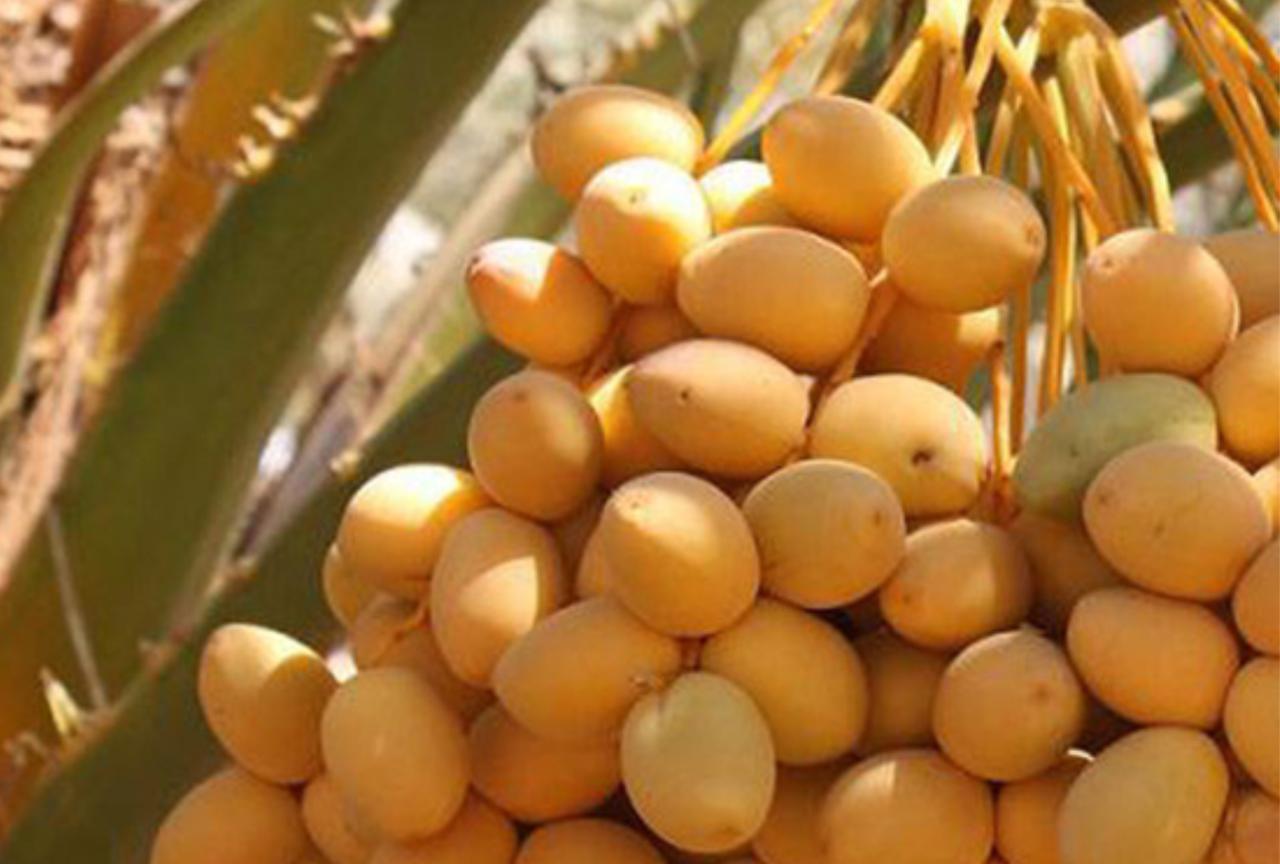
I have always believed that the date season is the truest mirror of who we are. The palm tree appears on our national emblem for a reason. It is patient, generous, and stubborn in the face of a harsh climate — qualities Saudis like to claim for themselves, and not without justification. When the rutab arrives in early summer, soft and golden, followed by the fuller harvest of khalas, sukkari, and ajwa through late September, markets across the Kingdom transform into festivals of color, bargaining, and pride — less marketplaces than national celebrations.
But nostalgia should not blind us to what the date season has become: a serious economic story. According to figures announced by the Ministry of Environment, Water and Agriculture and the National Center for Palms and Dates, and carried by the Saudi Press Agency, Saudi date exports reached a record SAR 1.938 billion in 2025 — a rise of 14.3 percent over the previous year and 59.5 percent since 2021. Production now exceeds 1.9 million tonnes from more than 37 million palm trees, and Saudi dates reach over 125 countries. These are not the numbers of a heritage industry kept alive for sentiment. They are the numbers of a competitive agricultural sector that has quietly become one of the Kingdom's most successful non-oil export stories — precisely the diversification that Vision 2030 promised.
Behind these figures stands an institutional structure that deserves recognition. The establishment of the National Center for Palms and Dates gave the sector a dedicated body for organizing production, marketing, and quality standards. Specialized agricultural cooperative societies for palms and dates, now present in most cities and governorates of the Kingdom, have strengthened the hand of growers themselves, giving farmers a collective voice and shared services they long lacked. And through the International Dates Council, the Kingdom now shapes the sector's agenda globally, not merely within its borders. Universities have joined the effort as well, with dedicated research chairs for palms and dates advancing studies in cultivation, pest control, and product development. Alongside this, the processing industries built on the palm are expanding steadily — date pastes, syrups, natural sweeteners, confectionery, animal feed, pharmaceutical applications that draw on the fruit's nutritional and therapeutic properties, and even products derived from palm fronds and fibers — turning a seasonal harvest into a year-round manufacturing value chain.
What is equally encouraging is how seriously the sector's long-term questions are now being taken. Consider water. The palm is drought-tolerant, but 37 million trees still drink deeply — and here the shift in practice is visible on the ground. Modern irrigation systems are spreading across farms, licensing has grown more careful, and research into water-efficient cultivars is advancing in the very research chairs our universities have established. Sustainability is no longer an afterthought to the harvest; it is becoming part of how the harvest is planned.
The same is true of value. Where much of the crop was once sold in bulk, its identity lost at the border, Saudi dates are increasingly reaching markets branded, packaged, and certified. Ajwa from Madinah and sukkari from Al-Qassim carry stories no competitor can copy, and the growing attention to geographic branding and quality standards — championed by the National Center — is steadily multiplying the value of every tonne the processing industries transform.
And the small farmer, once at risk of being left behind by commercial-scale economics, now finds real support. The cooperative societies spread across the Kingdom's cities and governorates offer shared services, collective marketing, and a voice that individual growers never had, while financing programs and digital platforms increasingly connect family groves directly to buyers. The harvest's prosperity is being shared more widely — as widely, one hopes, as its heritage.
None of this diminishes the joy of the season. There is still nothing quite like the first rutab of summer, offered with Arabic coffee to a guest — a gesture of hospitality older than any border on the map. The date season reminds us, year after year, that our deepest traditions and our newest ambitions need not compete. The palm has fed this land through leaner centuries than this one. Our task now is simpler than our ancestors' was, but no less important: to make sure that when the harvest comes each summer, it arrives not only as a memory of who we were, but as proof of what we are becoming.


