Tapline: The Decades-Old Oil Pipeline That Helped Transform Northern Saudi Arabia
The Trans-Arabian Pipeline, or the Tapline, played a key role in strengthening Saudi Arabia’s position in global energy markets, while laying the foundations for cities and communities that grew along its route.
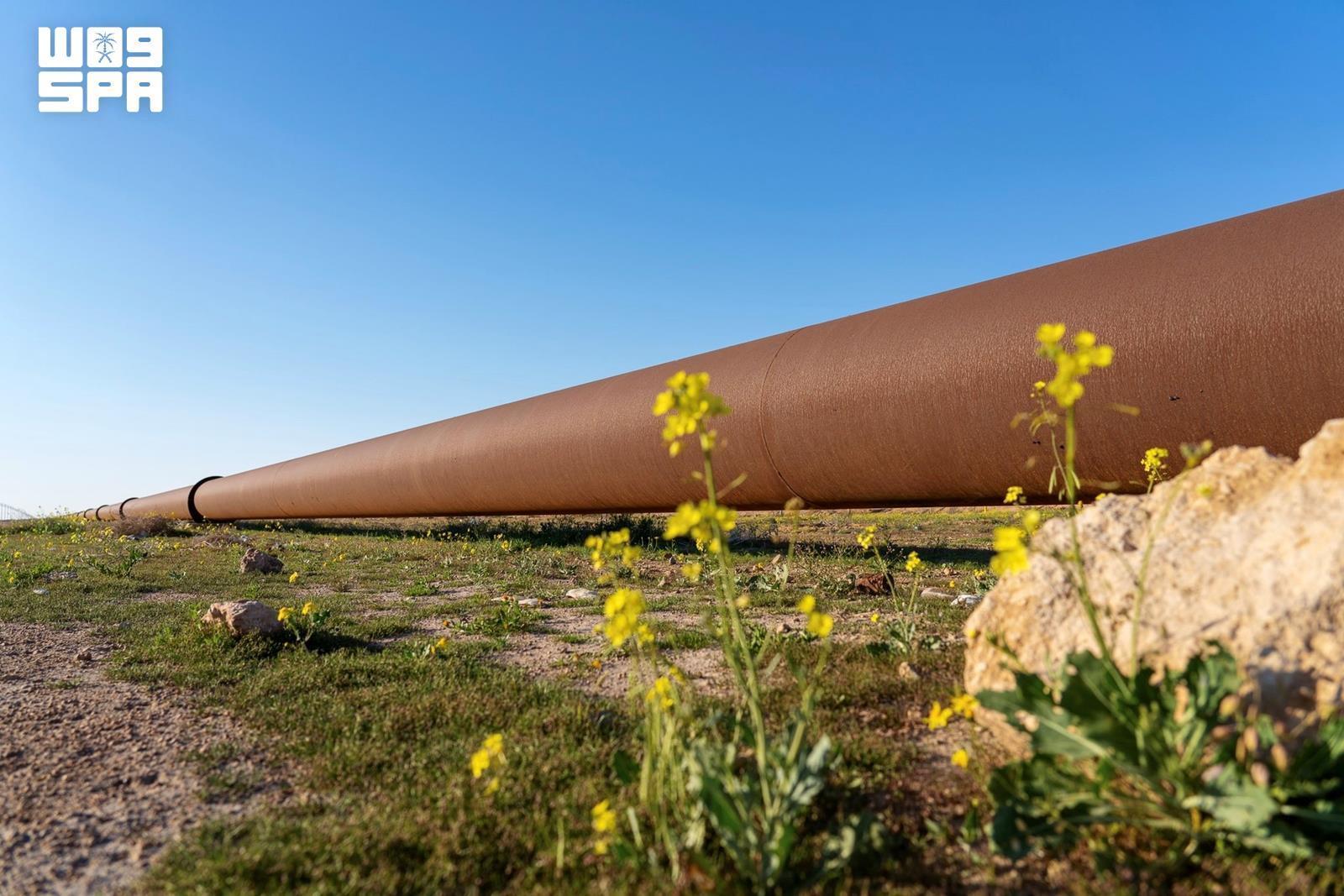
Stretching across the northern Saudi desert, the vast 1,648-kilometer-long pipeline was one of the most significant engineering and economic projects undertaken by the Trans-Arabian Pipeline Company.
For decades, it served as a strategic route for transporting crude oil from Abqaiq in Eastern Region to the Mediterranean port of Sidon in Lebanon, passing through Jordan and Syria.
From an Idea to a Landmark Project
The idea for the Tapline dates back to 1944, when Saudi Aramco established the Trans-Arabian Pipeline Company as a joint venture with major international oil companies. Construction began in 1947 and ended on September 25, 1950, when the final section of the pipeline was welded into place, marking the start of official operations.
When it entered service, the Tapline was among the largest and longest oil transport systems in the world.
The pipeline stretched 1,648 kilometers and was equipped with six main pumping stations. Five were located in Saudi Arabia, at Nariya, Qaisumah, Rafha, Badanah, and Turaif, while the sixth was in Jordan.
The stations were designed to keep the oil moving toward the highest point along the route, 907 meters above sea level near the Saudi-Jordanian border, before the pipeline gradually descended toward the Lebanese coast.
Building the massive project required more than 35,000 tons of steel pipe and around 16,000 workers. Its total cost reached about US $230 million, making it one of the largest privately financed construction projects of its time.
In 1951, the pipeline’s first full year of operation, Saudi Aramco produced 278 million barrels of oil, most of which was transported through the Tapline. The pipeline thus became an important part of Saudi Arabia’s oil export system as global demand for energy continued to rise.
While oil tankers traveling from the Arabian Gulf to the Mediterranean through the Suez Canal took more than nine days, the Tapline offered a faster route that shortened the journey and reduced transportation costs.
More Than a Pipeline
The Tapline’s impact extended beyond the economic and industrial spheres. Its pumping stations helped drive urban and social development deep into the Saudi desert.
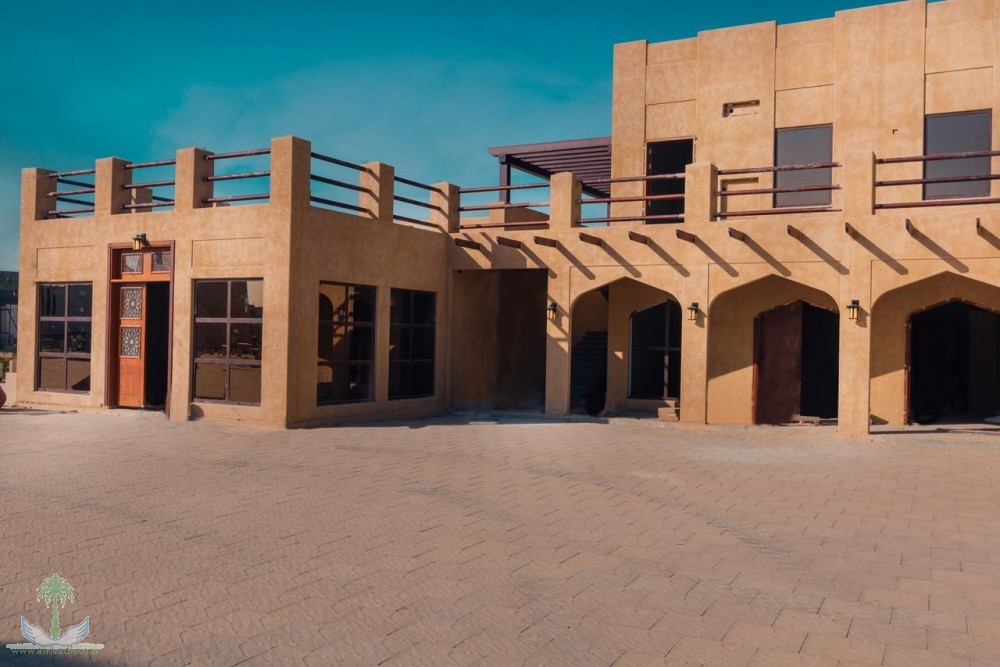
New communities emerged around the stations, initially providing housing, schools and dining halls for workers and their families. By the mid-1960s, these communities expanded to include mosques, shops, recreational facilities, theaters and playgrounds, eventually becoming home to thousands of residents.
The project also became a catalyst for development in northern Saudi Arabia. It contributed to creating transportation routes, communications networks and logistical services, while attracting skilled professionals and workers to the region.
The End of Operations
As giant oil tankers capable of carrying 500,000 tons emerged and proved more efficient than cross-border pipeline transport, oil pumping through the Tapline gradually declined.
Oil shipments through the pipeline to Lebanon stopped in 1976, and the line became almost entirely inactive by 1983.
In 1990 during the Gulf crisis, the Tapline’s transportation operations ended completely, and in 2001, the remaining oil was drained from the pipeline, formally marking the end of its operational role.
From Oil Artery to Industrial Heritage
After decades of economic and developmental significance, the Tapline has become a testament to the Kingdom’s industrial and energy history.
In December 2020, the Heritage Commission selected the Tapline as Saudi Arabia’s first industrial heritage site. The designation recognized its historical significance and its developmental and economic importance during the early years of the Kingdom’s oil industry.
Today, the Tapline is more than an old oil pipeline. It stands as an enduring record of an engineering project that crossed 1,648 kilometers of desert, connected energy resources, and helped create communities and spur urban development in the heart of the desert.
Its operational life has ended, but its economic, industrial and social legacy remains visible in the northern Saudi cities.