




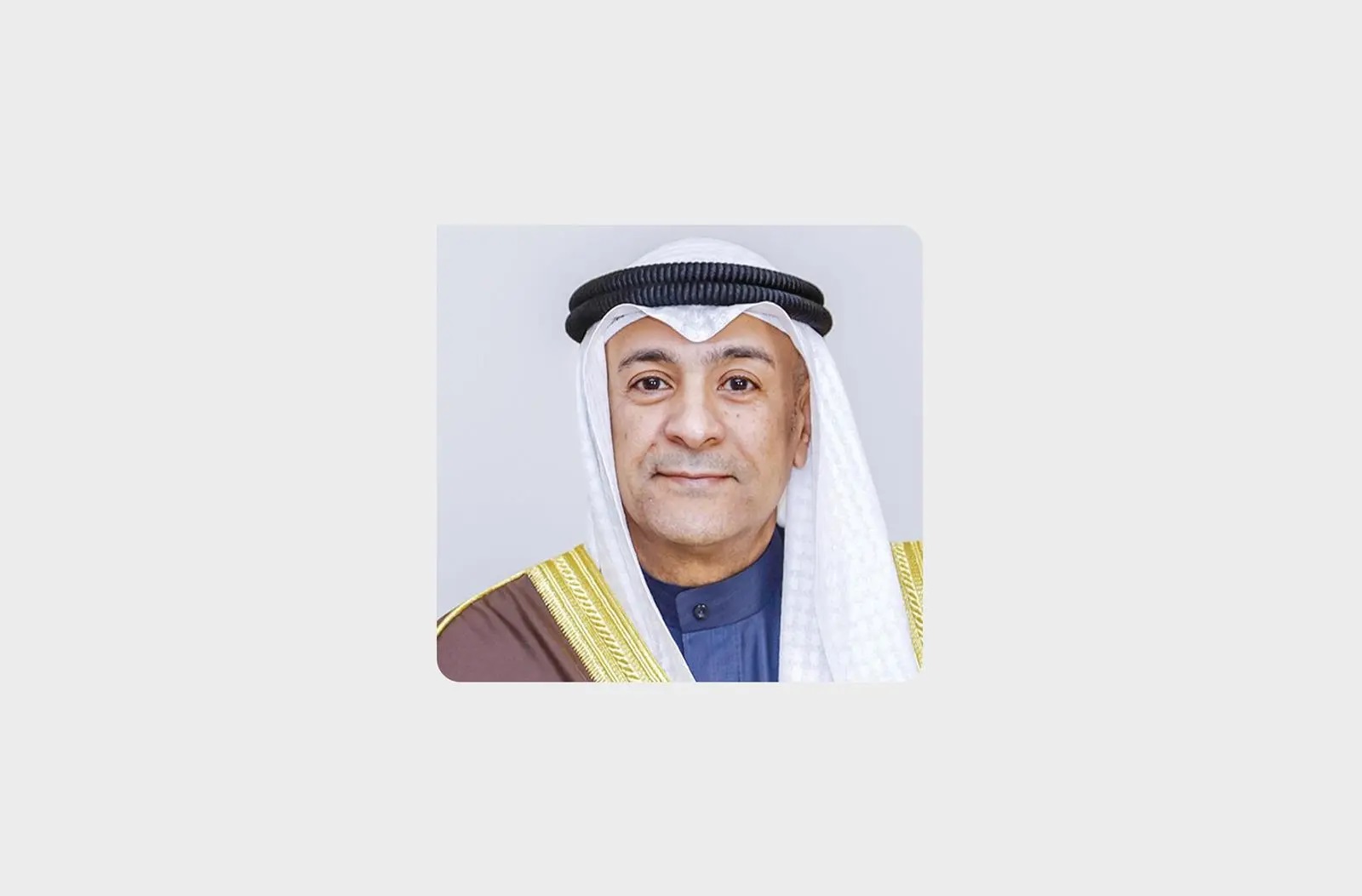
GCC Secretary-General Highlights Importance of Economic Integration
Secretary-General of the Gulf Cooperation Council (GCC) Jasem Albudaiwi stated that accelerating economic unity pathways and completing the Customs Union and the GCC Common Market constitute crucial pillars for bolstering the competitiveness of GCC economies, consolidating their capacity to address global shifts, and achieving sustainable development.
He underscored that the Permanent Preparatory Committee at the ministerial level of the Economic and Development Affairs Authority holds growing significance in advancing and following up on these projects through the formulation of policies, initiatives, and practical programs that yield tangible results in the journey of economic integration among GCC member states.
Albudaiwi’s remarks were delivered during the 10th Meeting of the Permanent Preparatory Committee at the Ministerial Level of the GCC Economic and Development Affairs Commission, held today in Manama, chaired by Bahraini Minister of Finance and National Economy Sheikh Salman bin Khalifa Al Khalifa, who is also chairman of the current session, and attended by the members of the Ministerial Preparatory Committee across the GCC member states.
At the outset of his address, the GCC secretary-general reviewed several economic indicators affirming the strength of GCC economies and the progress achieved in diversification and economic integration, citing 2025 statistics released by the GCC Statistical Center (GCC-Stat). He noted that the GCC gross domestic product (GDP) at current prices reached approximately $2.4 trillion, positioning the GCC member states collectively as the ninth-largest economy globally. He added that the contribution of the non-oil sector reached approximately 79% of GDP, reflecting marked progress in diversifying the economic base, while intra-GCC trade—measured by the value of intra-exports—exceeded $177 billion, recording a 125% growth compared to 2007. Furthermore, the intra-GCC investment stock exceeded $171 billion, representing more than 21% of the total inward foreign direct investment (FDI) stock into GCC member states.


