




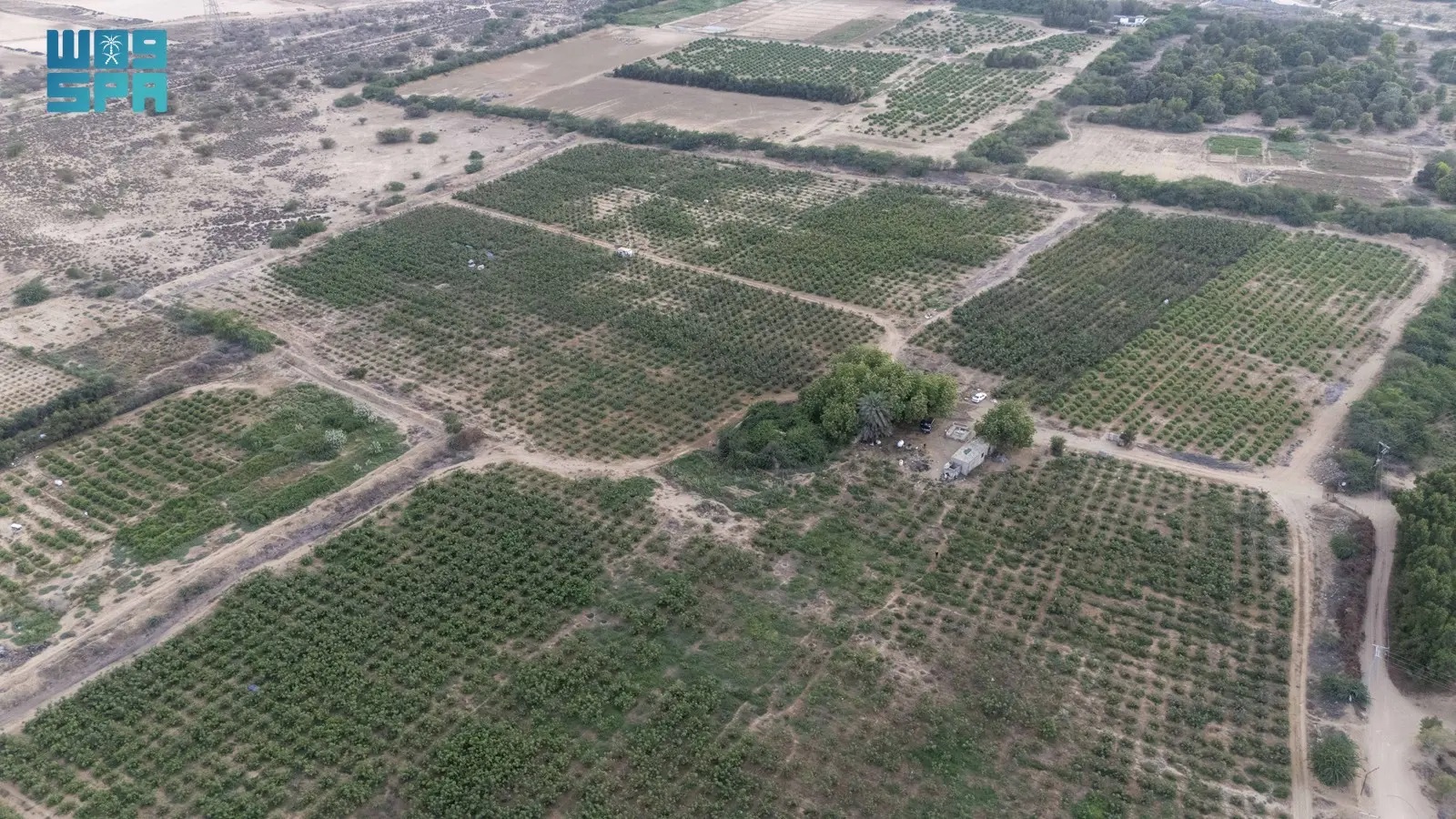
Jazan Figs: A High-Velocity Crop Driving Agricultural Value
The fig crop in Jazan Region is emerging as a compelling agricultural model with direct economic impact, driven by an efficient, high-velocity operational framework that shortens the journey from field to consumer and reshapes the marketing of perishable produce.
Figs stand out as a prime example of rapid agricultural economics. With a market life that does not exceed six days post-harvest, the crop necessitates a distribution model built on immediacy, minimizing lag between production and consumption. The result is accelerated turnover and improved working capital efficiency for farmers, positioning figs as a commercially agile commodity.
Production data underscores the scale of the sector. According to the regional branch of the Ministry of Environment, Water and Agriculture, Jazan is home to approximately 346 farms and more than 480,000 fig trees, with annual output estimated at 9,600 tons. The National Center for Sustainable Agriculture Research and Development (Estidamah) is supporting sectoral growth through targeted research and applied programs focused on enhancing varietal quality and boosting productivity. These efforts include the adoption of advanced cultivation techniques that improve water-use efficiency, optimize inputs, and strengthen farm-level operational management through extension services.
The fig production cycle in Jazan is notably extended, running from late November through the end of June, one of the longest harvest windows in the Kingdom. This temporal advantage allows local producers to supply markets during periods of reduced global output, expanding export potential and stabilizing demand across a longer marketing horizon.
Sector specialists view the Jazan fig model as indicative of a broader shift in agricultural marketing, from traditional storage-based systems toward agile, time-sensitive frameworks that prioritize proximity to consumers and operational responsiveness.


