




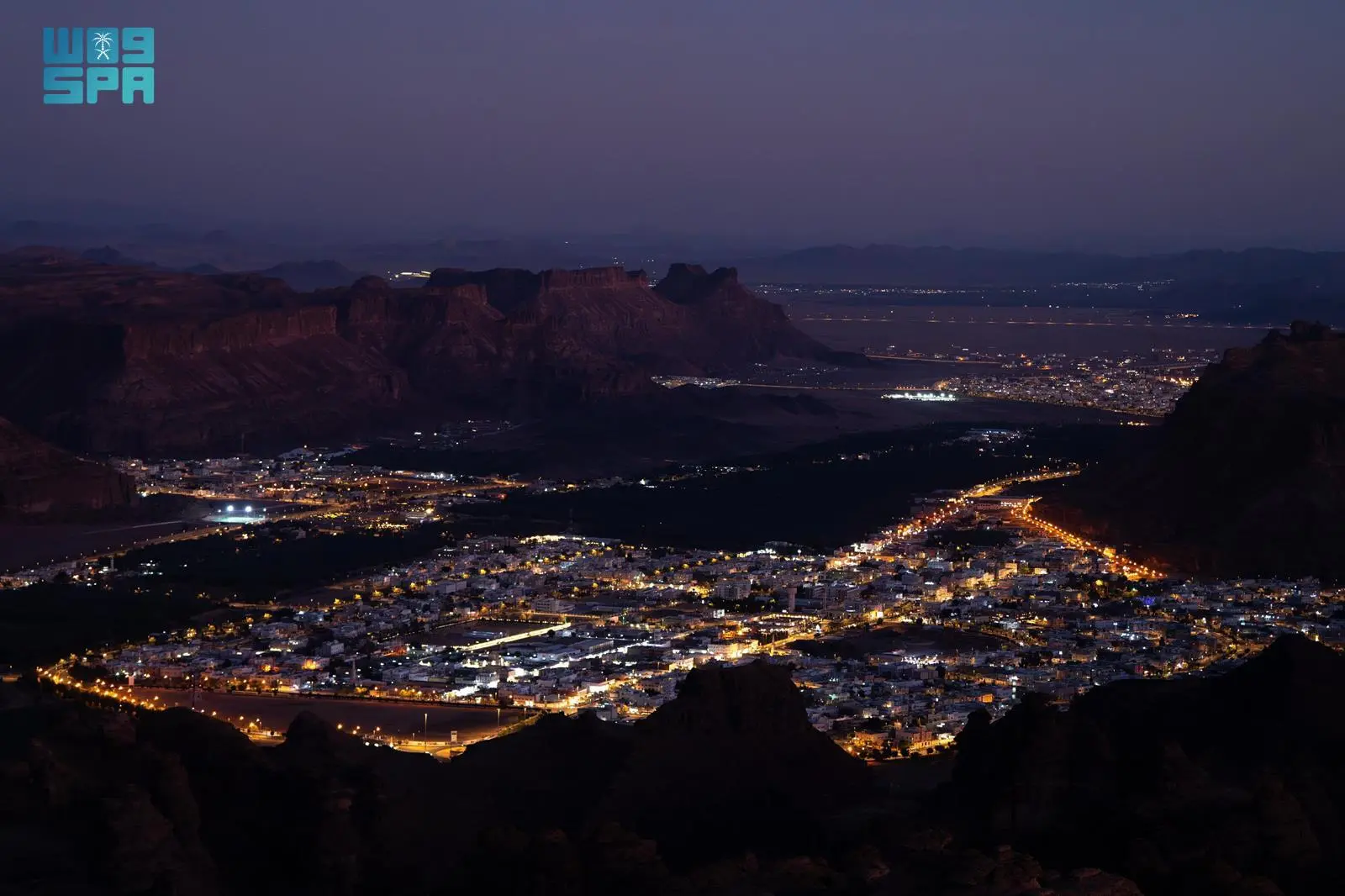
Royal Commission for AlUla Regulates Outdoor Lighting to Reduce Light Pollution, Protect Nightscape
As part of its ongoing efforts to care for the urban landscape and protect the natural and visual environment, the Royal Commission for AlUla (RCU) continues to advance initiatives to regulate outdoor lighting for buildings and facilities across the governorate. These efforts aim to reduce light pollution, enhance the quality of the night-time environment, and preserve AlUla’s distinctive sense of place and its environmental and cultural character.
The RCU has adopted technical standards for outdoor lighting that take into account the sensitivity of the night-time environment, including the use of warm lighting with a colour temperature not exceeding 2700 Kelvin. These measures help minimize glare, preserve the clarity of the night sky, and reduce adverse impacts on wildlife.
The adopted standards encourage the use of high-efficiency lighting technologies, such as LED fixtures with a minimum efficacy of 120 lumens per watt and a Colour Rendering Index (CRI) of at least 80, ensuring both energy efficiency and lighting quality.
The RCU has emphasized that this approach takes into account the diversity of AlUla’s districts and the varying nature of activities across residential, commercial, and tourism areas. Accordingly, the governorate has been divided into multiple lighting zones, each with specific requirements and controls aligned with the sensitivity of its night-time environment.
It noted that the current phase focuses on building shared understanding and providing interpretive and awareness-raising content, highlighting the role of partnership and shared responsibility in safeguarding AlUla’s natural and cultural assets.
The RCU invited those seeking further information to refer to its official channels, which provide guidance outlining the objectives and technical standards of outdoor lighting regulation. This forms part of RCU’s commitment to transparency, integrated action, enhancing quality of life for AlUla’s residents, and preserving the destination for future generations.


