




Experts Urge Early Detection and Prevention as The Gulf Region Faces Rising Head and Neck Cancer Burden
As Saudi Arabia continues to strengthen its healthcare transformation and cancer prevention efforts, leading international experts are warning that head and neck cancers are becoming an increasingly important public health concern globally and in the Gulf region.
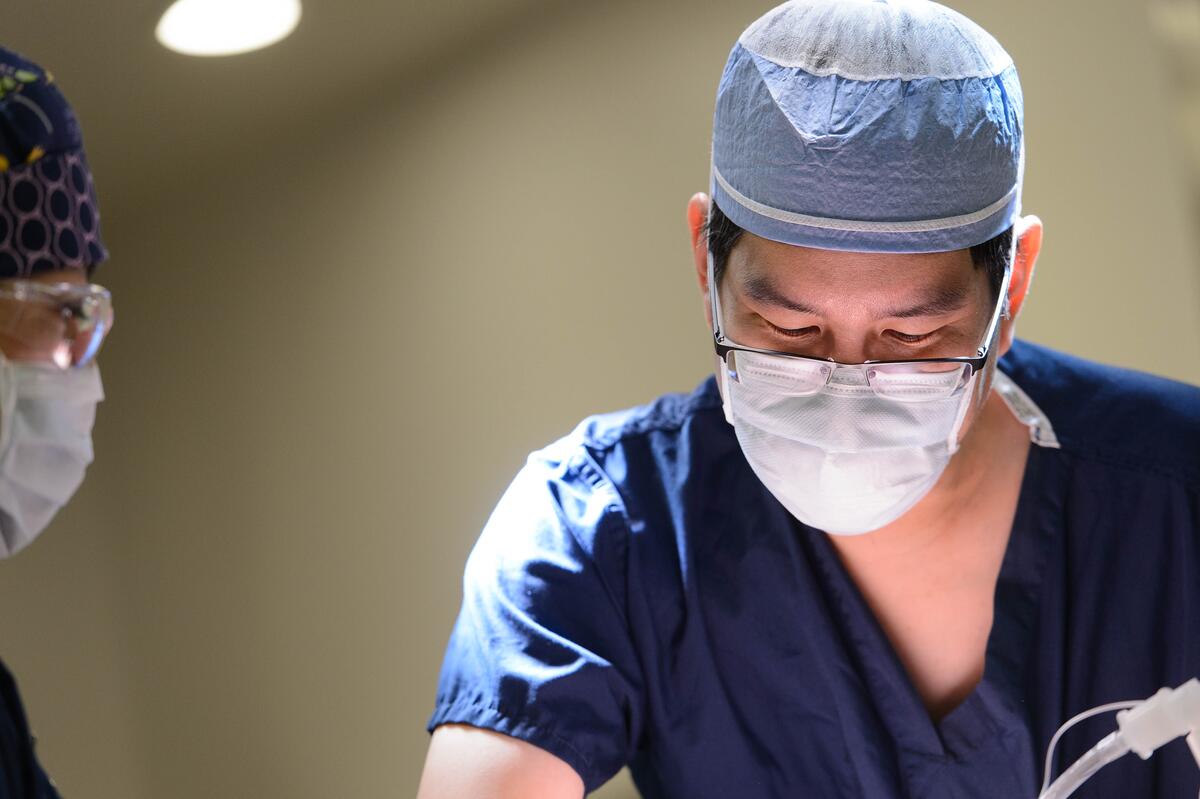
According to Dr. Richard J. Wong, Chief of Head and Neck Surgery at Memorial Sloan Kettering Cancer Center (MSK) in New York, the burden of head and neck cancers is rising worldwide, that’s why awareness, prevention, and early diagnosis are more critical than ever.
“Current projections suggest that new cases of head and neck cancers across the Gulf could increase two- to threefold by 2040,” Dr. Wong explained.
These cancers- which include tumors affecting the mouth, throat, thyroid, salivary glands, and surrounding structures can profoundly impact speech, swallowing, appearance, and quality of life if diagnosed late.
Shammah and Shisha: Preventable Risks Still Driving Disease
While genetics and viral infections can contribute to cancer risk, lifestyle factors remain among the drivers of head and neck cancers in the region.
Dr. Wong highlighted the growing evidence linking oral cancer to the use of shammah (also known as tombak), a form of smokeless tobacco commonly used in parts of Saudi Arabia and neighboring countries.
“Research conducted within the Kingdom has shown a strong association between shammah use and oral cancer,” he explained. “Some studies suggest it can increase the odds of developing oral cancer by up to 39 times.”
He also addressed the widespread misconception that shisha smoking is safer than cigarettes. “Shisha is absolutely not a safer alternative to cigarettes,” Dr. Wong stressed. “The evidence on this is very clear. When you smoke a water pipe, the smoke still contains the same cancer-causing chemicals found in cigarette smoke. The water does not filter them out in any meaningful way. In fact, a single shisha session can last 30 to 60 minutes and expose a person to far more smoke volume than a single cigarette.”
Studies have documented strong links between hookah use and cancers of the oral cavity, esophagus, and lungs.
He also highlighted the importance of awareness and prevention. “Prevention campaigns targeting tobacco use, including shisha and smokeless tobacco, could play a major role in reducing future cancer rates. Saudi Arabia's health authorities have shown real commitment to this kind of prevention work, and that is exactly the right instinct,” added Dr. Wong.
Symptoms People Should Never Ignore
“Awareness of symptoms leads to earlier detection and better outcomes,” Dr. Wong said. “The key principle I always share is this: it is not so much the symptom itself, but whether it persists. A sore or ulcer in the mouth that does not heal after two to three weeks needs to be evaluated. A lump in the neck that is not going away after a few weeks needs to be looked at. A hoarse voice or sore throat that does not improve is a warning sign.”
Immunotherapy Is Changing the Future of Treatment
The progress in immunotherapy over the last several years has been remarkable. Immunotherapy works by helping a patient's own immune system recognize and attack cancer cells, and it has genuinely changed what is possible.
“We first saw impact of immunotherapy in patients with recurrent or metastatic disease, where chemotherapy had limited results. Immunotherapy extended survival and offered something chemotherapy rarely could: durable responses, where the cancer stays controlled even after treatment ends,” said Dr. Wong. “Now we are increasingly using it before surgery, often alongside chemotherapy, to shrink tumors before a patient reaches the operating room. In practice, that means surgery might be less radical.”
“At MSK, we have seen patients with advanced oral cavity tumors respond so well that the surgery that followed was less extensive than originally planned. Recovery can be better, function can be better, and patients can do better psychologically too.”
Dr. Wong also highlighted the growing importance of personalized cancer treatment based on the genetic profile of each tumor, allowing physicians to identify therapies most likely to benefit individual patients and improve outcomes.
A Message to Saudi Patients: Seek Help Early
For people across Saudi Arabia, Dr. Wong’s message is centered on prevention, awareness, and timely action.
“Three things I feel strongly about. First, prevention is practical. Stopping smoking, and that includes shisha, is the single most powerful thing you can do. HPV vaccination is highly effective and should be more widely adopted. These tools work.”
“Second, do not wait. The head and neck area defines how we look, speak, and connect with other people, so I understand why changes there feel frightening. But fear should not delay care. The earlier a cancer is found, the more options exist and the less treatment is needed.”
“Third, seek expertise. Head and neck cancers are complex, and outcomes are better when surgeons, oncologists, radiation specialists, and psychologists are working together around you. Ask questions. Seek opinions from high volume cancer centers which have experience in managing these tumors.
“At MSK we have an international program that works closely with patients from the Middle East and we are always available for consultation. This is a hopeful era in head and neck cancer care, and I want people in Saudi Arabia to feel encouraged to seek care early, when it counts most.”
For more info: https://www.mskcc.org/experience/become-patient/international-patients


