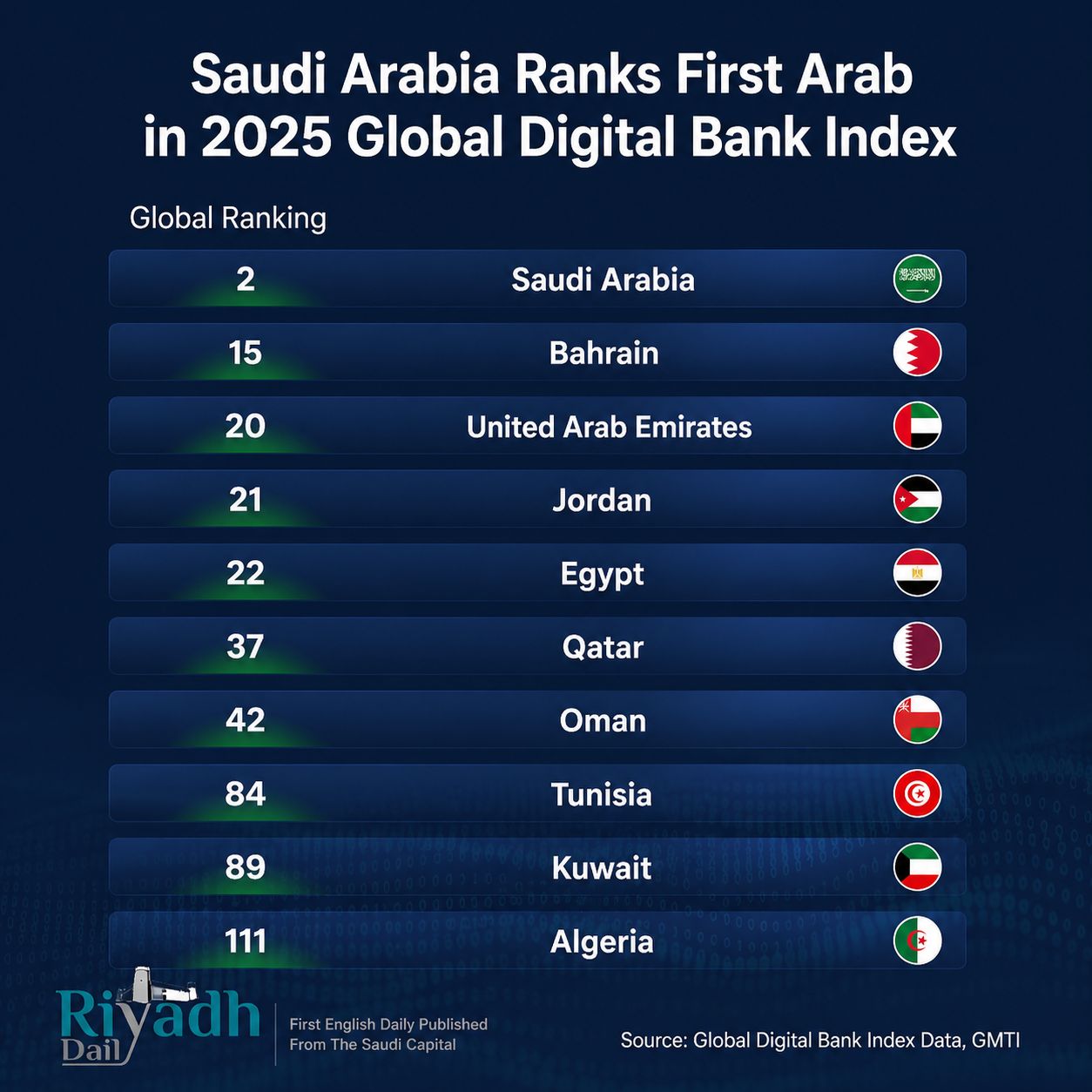
Saudi Arabia Ranks Second Globally in Digital Government
Just a few years ago, renewing a document such as a driver’s license could take an entire morning moving between government offices: visiting the traffic department, taking a number, waiting for your turn, and sometimes even returning another day due to a missing document. Today, the same process takes only minutes through your phone screen: you submit an online request, pay the fees, and wait to receive the document by mail.
This transformation may seem purely technical, but it reflects a broader shift in daily life. With many government services moving to digital platforms, completing transactions no longer requires physical presence. Instead, they can be completed anytime, from anywhere, and in significantly less time.
From Digital Service to an Integrated System
Under Vision 2030, Saudi Arabia has embraced a “paperless government” model aimed at streamlining procedures and reducing processing times. The transformation goes beyond digitizing services it includes restructuring them by enhancing integration between government entities and reducing duplication.
This integration has improved the “user journey.” Instead of moving between multiple entities to complete a single transaction, data now flows seamlessly between them, reducing both the number of steps and the time required.
Today, digital services span a wide range of sectors—from justice and tourism to healthcare, housing, investment, and logistics allowing many processes to be completed without in-person visits.
This trajectory reflects broader progress in digital government performance. Saudi Arabia advanced in the United Nations E-Government Development Index to rank sixth globally in 2024, surpassing its original target of 26th place highlighting the rapid adoption of digital services and continuous improvements in efficiency.