




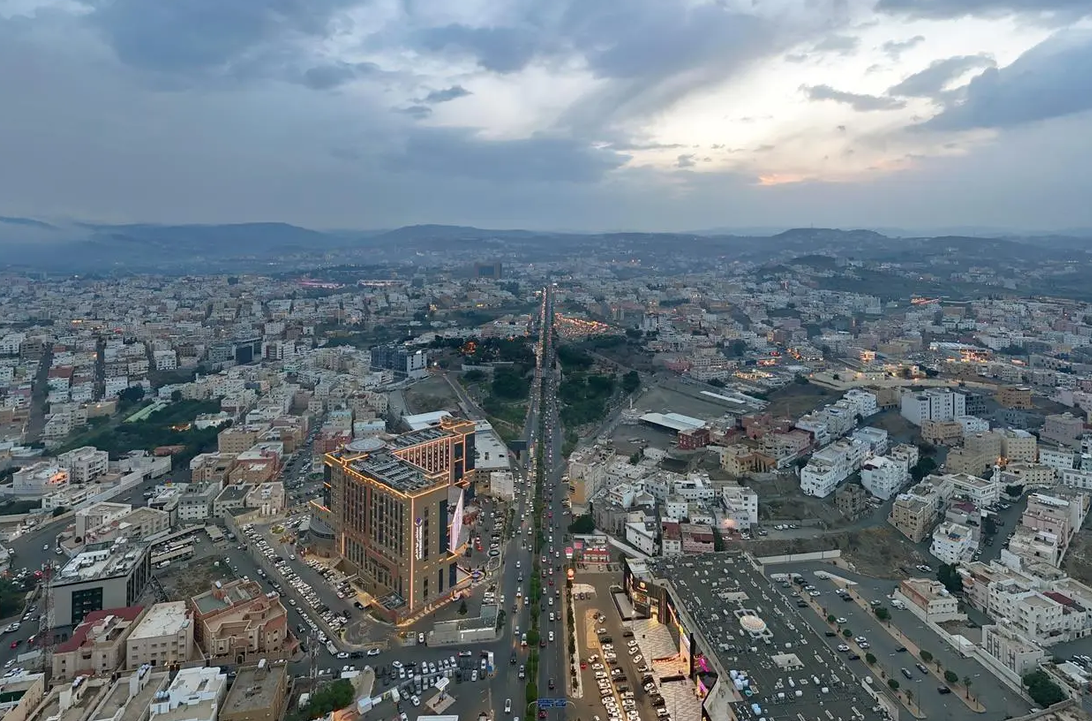
Aseer Four Healthy Cities: A Five-Year Journey Toward Quality of Life and Human Health
The international accreditation granted by the World Health Organization to four healthy cities in Aseer Region—Abha, Mahayel Aseer, Tareeb, and King Khalid University City—embodies a major milestone in the region's broader healthcare transformation and quality-of-life journey.
The handover of the accreditation certificates by Minister of Health Fahad AlJalajel to Aseer Governor and Chairman of the Aseer Development Authority Prince Turki bin Talal bin Abdulaziz reflected this progress, bringing the total number of accredited healthy cities across the Kingdom to 21.
The accreditation follows a five-year evaluation period (2020–2025) during which the four locations fulfilled 80 international standards across nine key domains, including community empowerment, health services, urban planning, emergency preparedness, education, and cross-sector partnerships. Over the period, life expectancy across the cities rose from 77.3 to 80.1 years, alongside notable reductions in non-communicable disease indicators.
Each city established a distinct model tailored to its local environment. Abha combined heritage preservation with health and active living. Local heritage engagement rose from 34% to 66%, adult physical activity reached 62%, and average emergency response times dropped from 27 to seven minutes. Tourism growth surged from 31% to 79%, outperforming national benchmarks.
Mahayel Aseer prioritized environmental transformation and community well-being, achieving an 88% quality-of-life satisfaction rate. Following the relocation of the industrial zone outside residential areas, the air quality index improved from 72 to 42, pedestrian-friendly roads increased to 21%, and ambulance response times dropped to seven minutes.
Tareeb demonstrated rapid progress in closing service gaps from lower baseline indicators. Safe water coverage expanded from 15% to 56%, qualifying program partnerships jumped from 7% to 93%, perceived nighttime safety reached 94%, and emergency response times fell from 29 to seven minutes.
King Khalid University City provided an integrated institutional model, achieving 100% coverage across safe drinking water, sanitation, primary healthcare, and childhood immunization. Adult physical activity reached 68%, average emergency response times dropped to four minutes, pedestrian-ready roads reached 67%, and per-capita green space expanded to 11 square meters.
The accreditations highlight the evolution of the healthy cities approach across Aseer, integrating public health with sustainable urban design, environmental protection, and active community participation.


