Saudi FDA CEO Highlights AI-Driven Regulatory Breakthroughs at GLMC
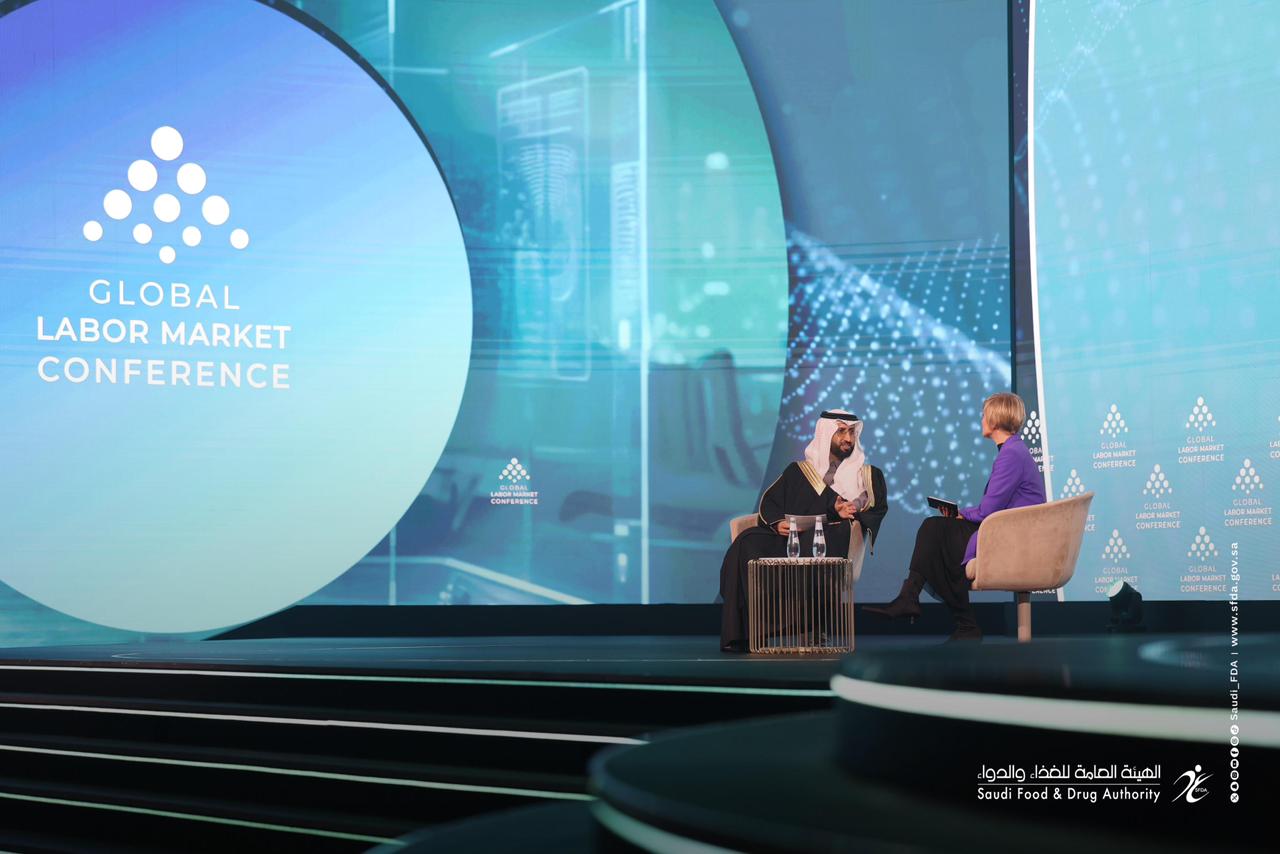
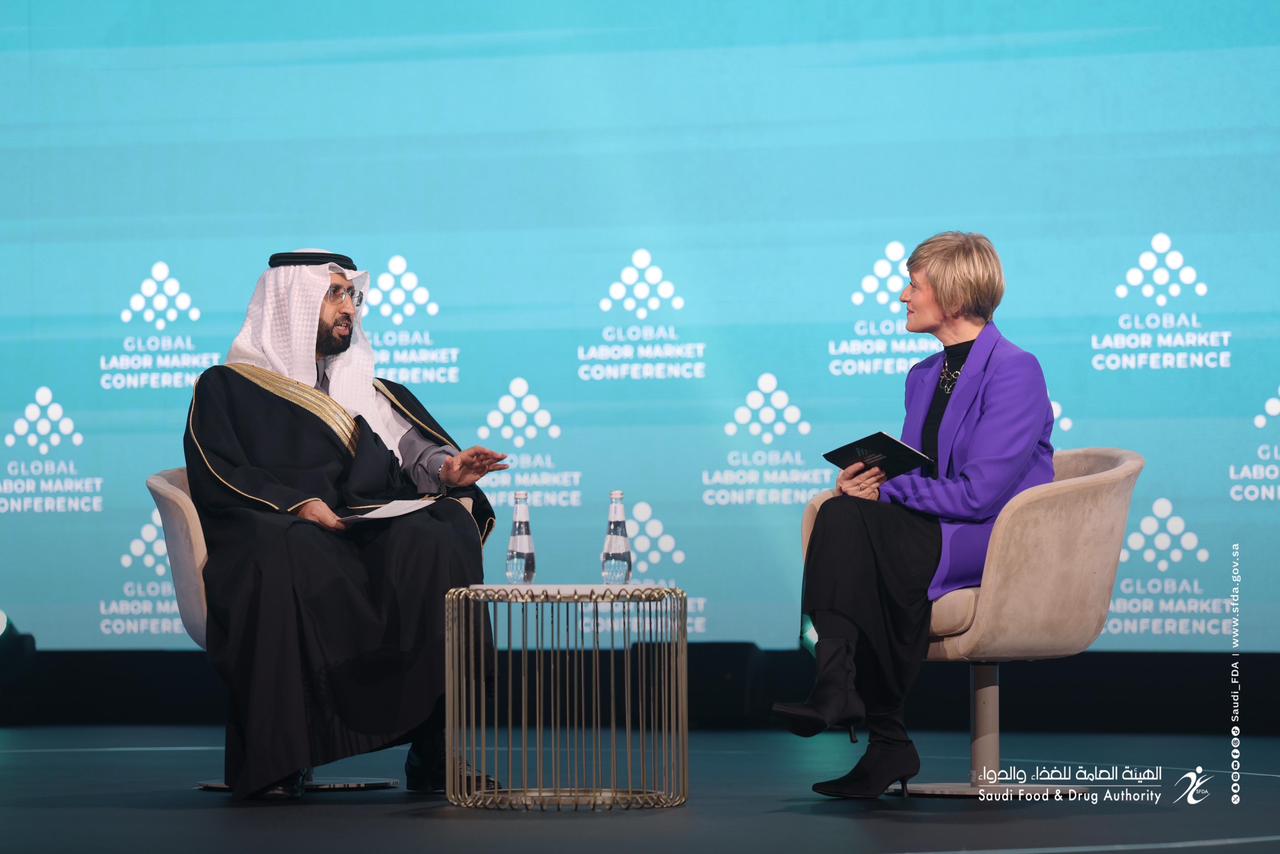
H.E. Dr. Hisham S. Aljadhey, CEO of the Saudi Food and Drug Authority (SFDA), took part in the Global Labor Market Conference (GLMC) by participating in a session titled “Human Progress and the Future of Work.” During the session, Dr. Aljadhey shared the SFDA’s pioneering journey in integrating Artificial Intelligence (AI) to enhance public health and modernize regulatory frameworks.
Central to this transformation is the SFDA Artificial Intelligence Laboratory (SAIL), a dedicated hub launched to integrate emerging innovations into the regulatory ecosystem. Dr. Aljadhey also highlighted the development of a “Digital Twin” model, which supports regulatory efforts by simulating operations and comparing AI-driven outputs with traditional workflows. “We believe that artificial intelligence represents the future of proactive regulation,” he stated.
From Years to Weeks: AI’s Impact on Healthcare
Dr. Aljadhey opened with a compelling vision of AI’s potential to save lives by accelerating access to medicine. "Imagine a life-saving drug reaching patients in weeks instead of years," he stated. He revealed that the SFDA’s future-focused AI strategy has already yielded significant results, enabling the authority to approve some drugs in as little as three weeks—a process that traditionally took much longer—by utilizing fewer resources while maintaining strict safety standards.
The Future Regulator: Skills Over Coding
Addressing the evolution of the workforce, Dr. Aljadhey emphasized that the success of technology depends entirely on human readiness. He outlined a roadmap for the "Future Regulator," noting that technical coding skills are less important than strategic oversight. Key required competencies include understanding AI’s limits and ensuring data reliability; prioritizing fairness, privacy, and human control; designing flexible, risk-based rules that evolve with technology; strengthening critical thinking to question and validate AI results.
Building Trust Through Support, Not Replacement
Dr. Aljadhey addressed a common concern regarding the future of work: the fear of replacement. He clarified that at the SFDA, AI is viewed as a partner rather than a substitute. “People trust technology when it supports them, not when it threatens them,” Dr. Aljadhey remarked.
He explained that by automating repetitive tasks, AI allows employees to focus on high-value strategic work, ultimately improving work-life balance and reducing workplace pressure.
Dr. Aljadhey concluded with a powerful advisory for the next generation of leaders: "Future regulators need to understand AI, manage its risks, and make responsible decisions—not build or program AI systems."