




Al-Sobah and Al-Jissah: Traditional Methods of Preserving Dates in Qassim
The lives of people in Qassim Region were historically closely tied to palm trees and dates, which formed an essential part of their diet and economy. As a result, they developed traditional methods to preserve and store dates after the harvest season for consumption throughout the year.
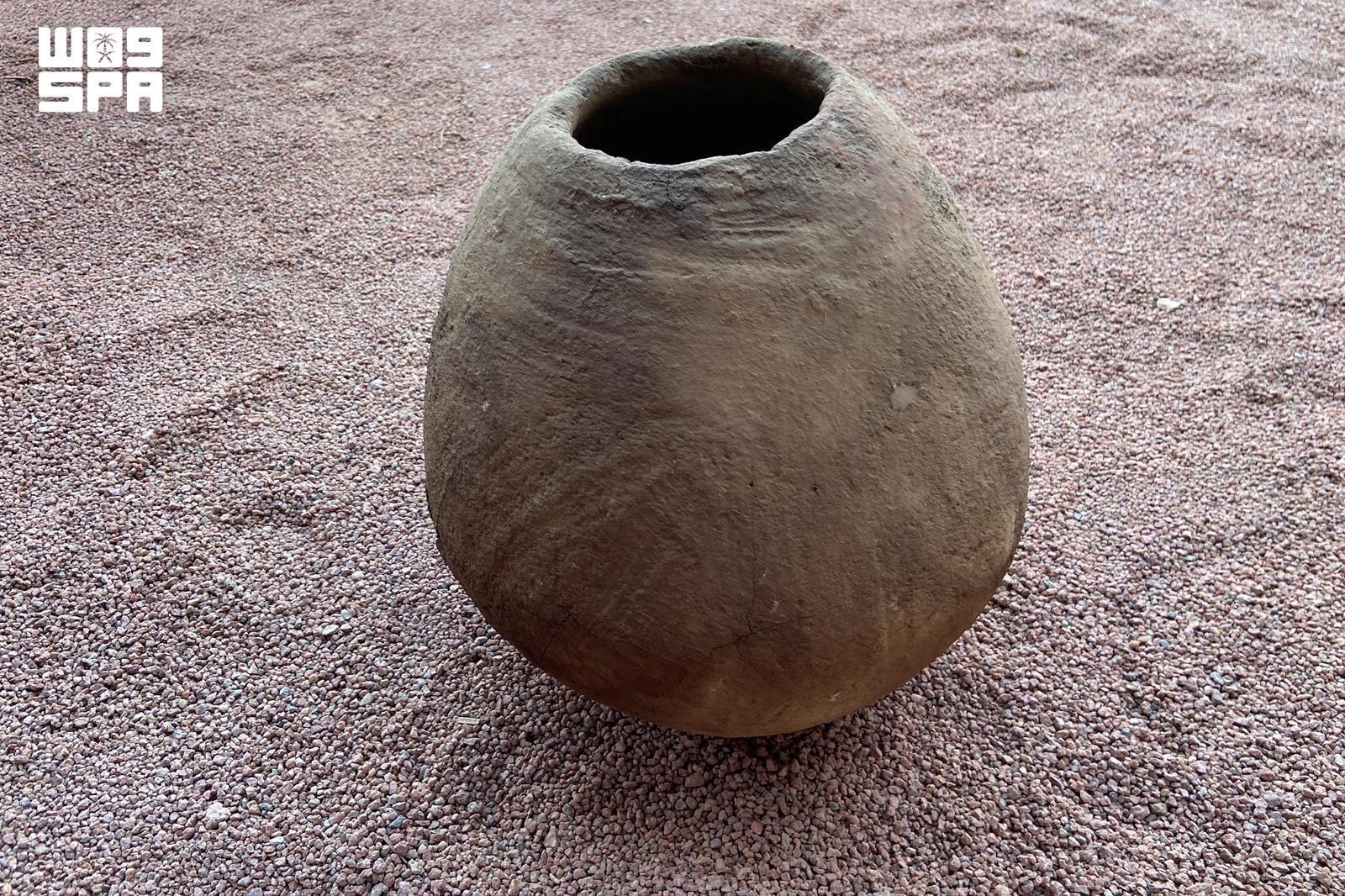
Among the most prominent methods were the “Al-Jissah” and “Al-Sobah,” traditional spaces used to store dates in old homes. They were designed to suit the local environment and families' needs at a time when modern cooling and storage methods were unavailable.
According to some heritage accounts, the Al-Sobah measured approximately two meters by two meters. It had an opening through which dates were placed before being tightly sealed. A lower outlet allowed date syrup produced during storage to drain.
After the palm harvest season, residents placed prepared dates inside the Al-Sobah in batches until it was full. They then sealed it tightly to protect the dates from insects, impurities, and other factors that could affect their quality. When needed, they removed the amount required for consumption and resealed the opening.
The Al-Jissah was built from locally available materials, including mud and smooth stone slabs. Its interior was plastered with gypsum to seal gaps and cracks and protect the dates. It was also fitted with a lower outlet to drain date syrup.
The design and construction of traditional date-storage facilities varied according to location and available materials. However, they all served the primary purpose of preserving dates for extended periods. Heritage sources indicate that under suitable conditions, dates could be stored for up to three years while retaining their taste and quality.


