




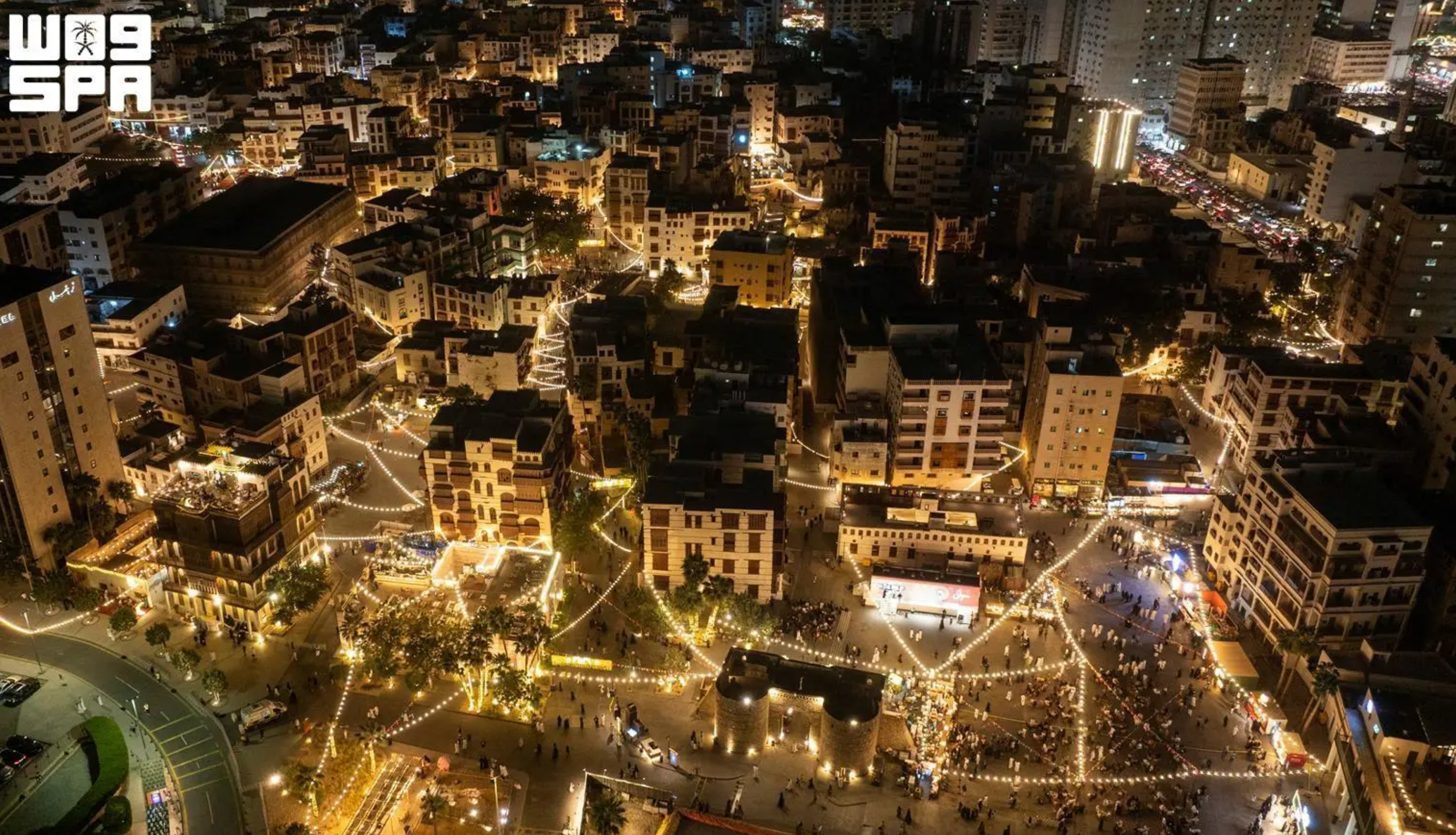
Jeddah's Architectural Identity Blends Coastal Hejazi Heritage with Modern Urban Planning
Jeddah's architectural identity reflects a continuous dialogue between its coastal geography, merchant history, and cultural diversity. From the coral stone edifices of Historic Jeddah to expanding modern quarters, the city's built environment illustrates how design responds to climate, social interaction, and daily life.
According to the Saudi Architecture platform, the region's coastal vernacular evolved through seaside climatic adaptation and regional trade. Traditional building patterns prioritized natural cross-ventilation, balanced lighting, and facade openings that preserved privacy while ensuring thermal comfort.
Head of Saudi Architecture Unit at the Jeddah Municipality Razan Baghanim affirmed that compliance with coastal Hejazi design guidelines is mandatory for new residential and commercial projects. She emphasized that the policy moves beyond superficial motifs to reinterpret core architectural principles—such as balanced facade compositions, locally resonant materials, climate-responsive openings, and natural color palettes—to enhance the urban landscape and meet contemporary needs.
The unit is actively reviewing development plans to ensure architectural integration across new neighborhoods. Baghanim noted that this standard requires close collaboration with engineering consultancies to build a cohesive urban character that honors local heritage while fostering sustainable urban expansion.
The UNESCO World Heritage Centre highlights Historic Jeddah's legacy as a maritime trade hub and historic gateway for sea pilgrims, which fused indigenous construction methods with external artisanal influences. Today, this human-centered approach extends into modern districts through integrated zoning, pedestrian-friendly streets, and public corridors.
The human dimension of the city's urban fabric is further reflected in developed public spaces documented by the Saudi Press Agency, including urban walkways in Prince Fawaz and Al-Rehab districts, as well as the waterfront corniche. By providing accessible seating, shaded promenades, and coastal public spaces, Jeddah integrates everyday leisure and pedestrian mobility into its architectural evolution, anchoring a living identity for future generations.


