




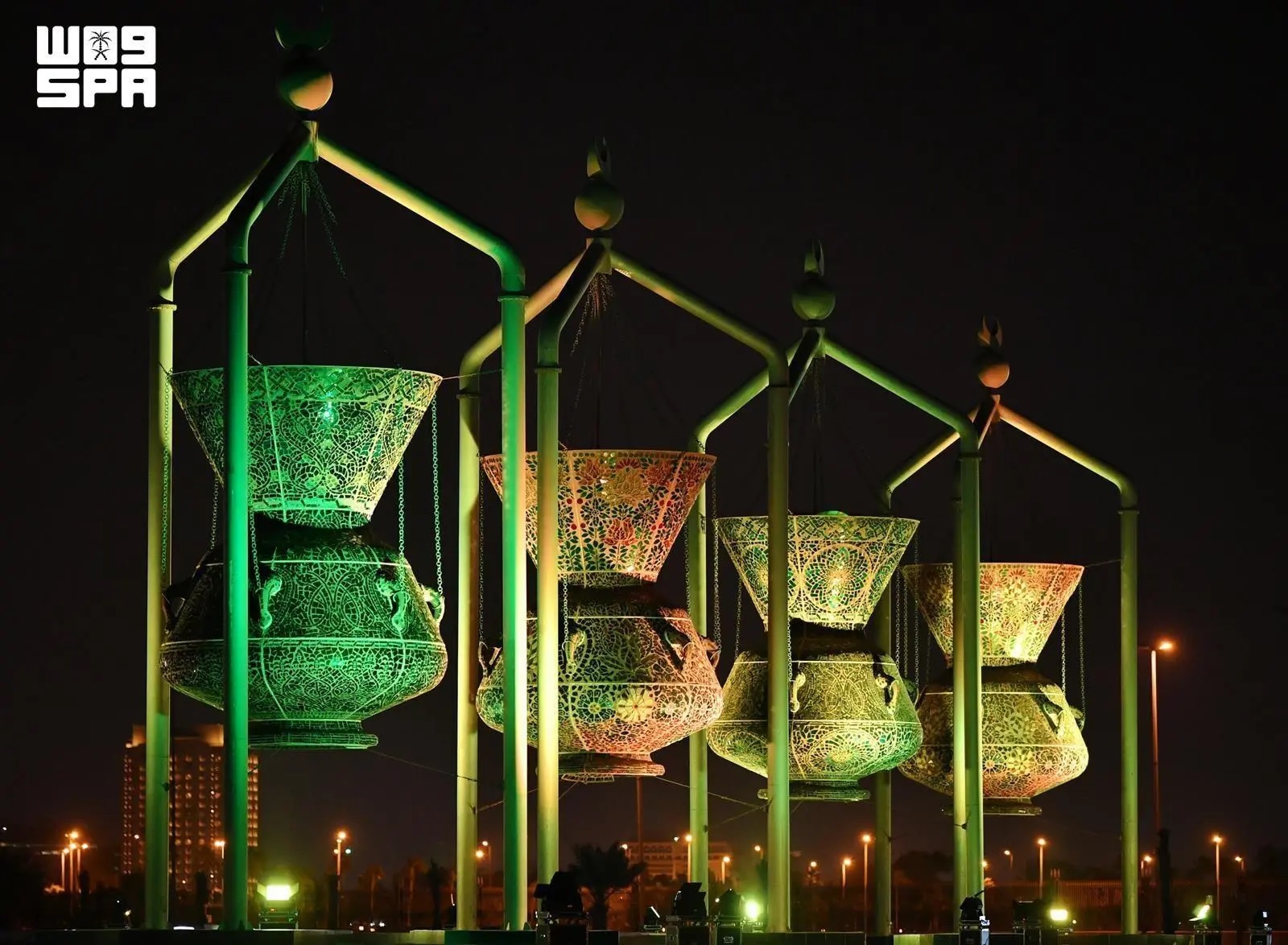
Jeddah’s Sculptures Transform Roads Into an Open-Air Art Gallery
Artworks and sculptures adorn Jeddah’s squares, streets and waterfront, creating over time a distinctive visual landscape that has become part of the city’s identity. Here, the road itself serves as an open-air gallery, while some sculptures have become part of the locations' collective memory, recalled by residents and visitors through photographs and stories.
The city has long-standing experience in integrating art into public spaces. Its sculptures were not intended merely to beautify squares, but evolved into visual landmarks that help identify locations, give streets a distinctive character, and connect the city’s everyday movement with contemporary art.
As Jeddah undergoes rapid development, its older sculptures appear like open pages from the city’s history. Some remain in their original locations, while others have been relocated or have disappeared amid urban development. Yet their images remain in the memories of residents, underscoring that a work of art's value in the city is measured not only by its size or age, but also by its ability to create a connection between people and place.
Efforts to enhance Jeddah’s visual landscape are adding new layers to this experience by incorporating art into roads, walkways, squares and public spaces. These efforts bring art closer to the community, enhance quality of life and the city’s visual appeal, and seek to elevate its urban character while strengthening the integration of art, architecture and public space.
Jeddah, with its wealth of artworks displayed across its public spaces, remains a city whose story can be read through its streets and squares. Works from different decades stand alongside the city’s evolving features, creating a landscape in which art becomes another language through which the Bride of the Red Sea tells its story, without words.


