




UNCTAD: Saudi Arabia among First to Develop Reliable Methodology to Measure E-Commerce
The UN Trade and Development (UNCTAD) stressed that Saudi Arabia is among the first countries globally to develop a scientific and reliable methodology for measuring the size and value of e-commerce, in line with best international standards and practices.
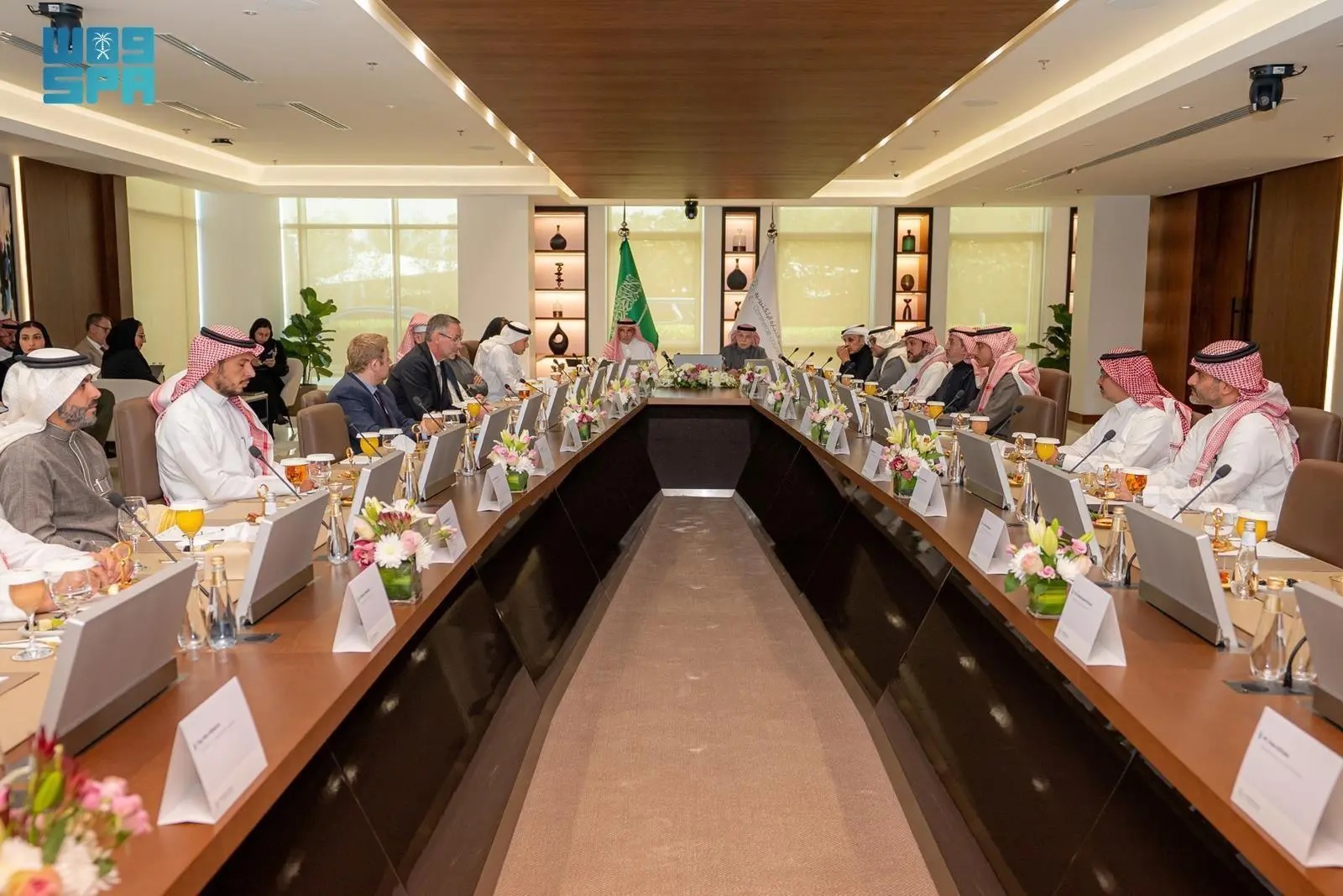
The statement was made during a workshop held as part of the 68th regular meeting of the E-Commerce Council, attended by representatives of 25 government entities and chaired by Minister of Commerce Majid Al-Kassabi, alongside several council members.
UNCTAD experts noted that the organization is working with Saudi Arabia on a comprehensive framework to measure the size and value of e-commerce and digital trade in the Kingdom. The framework aims to assess the level of digital trade adoption, measure transaction values and sector growth, and boost sector competitiveness, while strengthening digital economy policies and improving the efficiency of government services for the business sector.
The council has formed a working group, chaired by its secretariat and comprising 11 government entities as members, to oversee the implementation of the project in cooperation with UNCTAD. The initiative is expected to position the Kingdom as a global leader, as the project incorporates mechanisms for measuring e-commerce across all classifications in line with internationally recognized definitions.
The regular meeting also discussed the council’s collaborative initiatives with international organizations and relevant government entities to facilitate e-commerce and identify necessary regulatory and procedural reforms.
Participants were briefed on the Transport General Authority’s plan to address high seasonal demand, particularly during Ramadan. The authority noted that holiday periods and national occasions typically see a significant surge in online orders, contributing to increased postal shipment volumes during these seasons.
The authority emphasized that its plan aims to enhance service efficiency during Ramadan, improve the quality of postal services, raise beneficiary satisfaction, and strengthen governance by coordinating with all relevant stakeholders.
Data showed that e-commerce shipments during Ramadan increased by 18% last year, reaching 26 million shipments compared to 22 million in Ramadan 2024. Meanwhile, registered complaints decreased dramatically from 4,330 in Ramadan 2024 to 1,700 during last Ramadan.
Since its establishment in 2018, the E-Commerce Council has been responsible for proposing policies and legislation, overseeing the E-Commerce Stimulation Program, coordinating efforts across relevant entities, addressing obstacles facing the sector, and ensuring the effective implementation of the program’s projects and recommendations.


