




Prince Faisal bin Mashal: Security and History Conference a “National Milestone” Enriching New Generations’ Knowledge of Saudi History
Prince Faisal bin Mashal bin Saud bin Abdulaziz, Governor of Qassim Region, said security and history represent two complementary dimensions of Saudi Arabia’s journey, with the stability and development achieved by the Kingdom rooted in a longstanding approach established since the state’s founding.
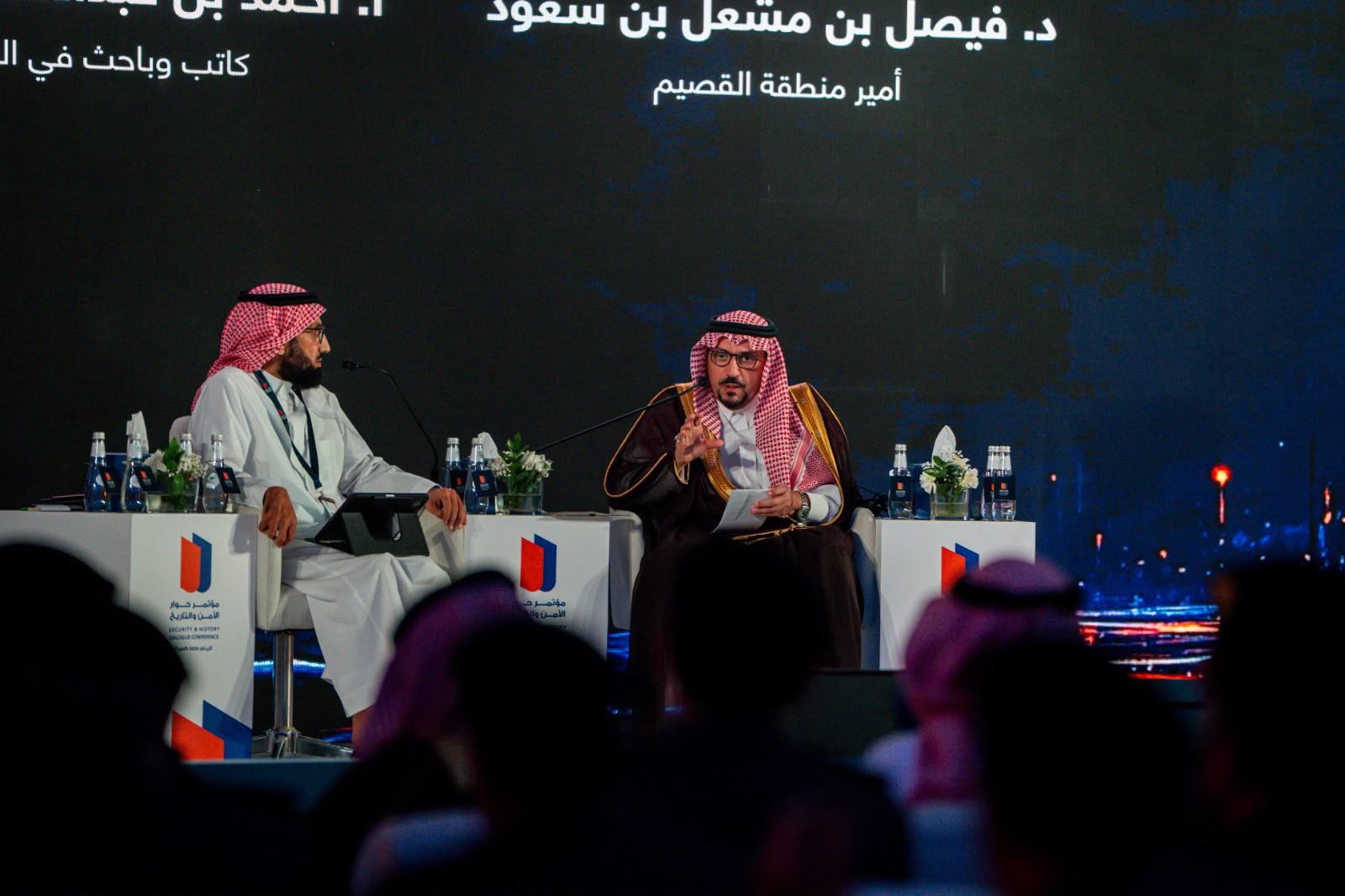
Speaking during a dialogue session on the second day of the “Security and History Dialogue 2026” conference, moderated by writer and biography researcher Ahmed bin Abdulmohsen Al-Assaf, Prince Faisal praised the support and direction the conference has received from Saudi leadership, including the oversight of Minister of Interior Prince Abdulaziz bin Saud bin Naif. The session covered milestones in the Kingdom’s history, the foundations of its security, the personality of Founding King Abdulaziz bin Abdulrahman Al Saud, his vision for development, and Prince Faisal’s own experience in administration and fieldwork as Qassim’s governor.
Describing the conference’s timing ahead of Saudi National Day as bringing together “two sides of the same coin — security and history,” Prince Faisal said a nation’s history cannot be read apart from its security and stability, and that documenting this journey preserves the Kingdom’s achievements and experience for future generations. He called the conference a “national milestone” and expressed hope it would continue in future editions.
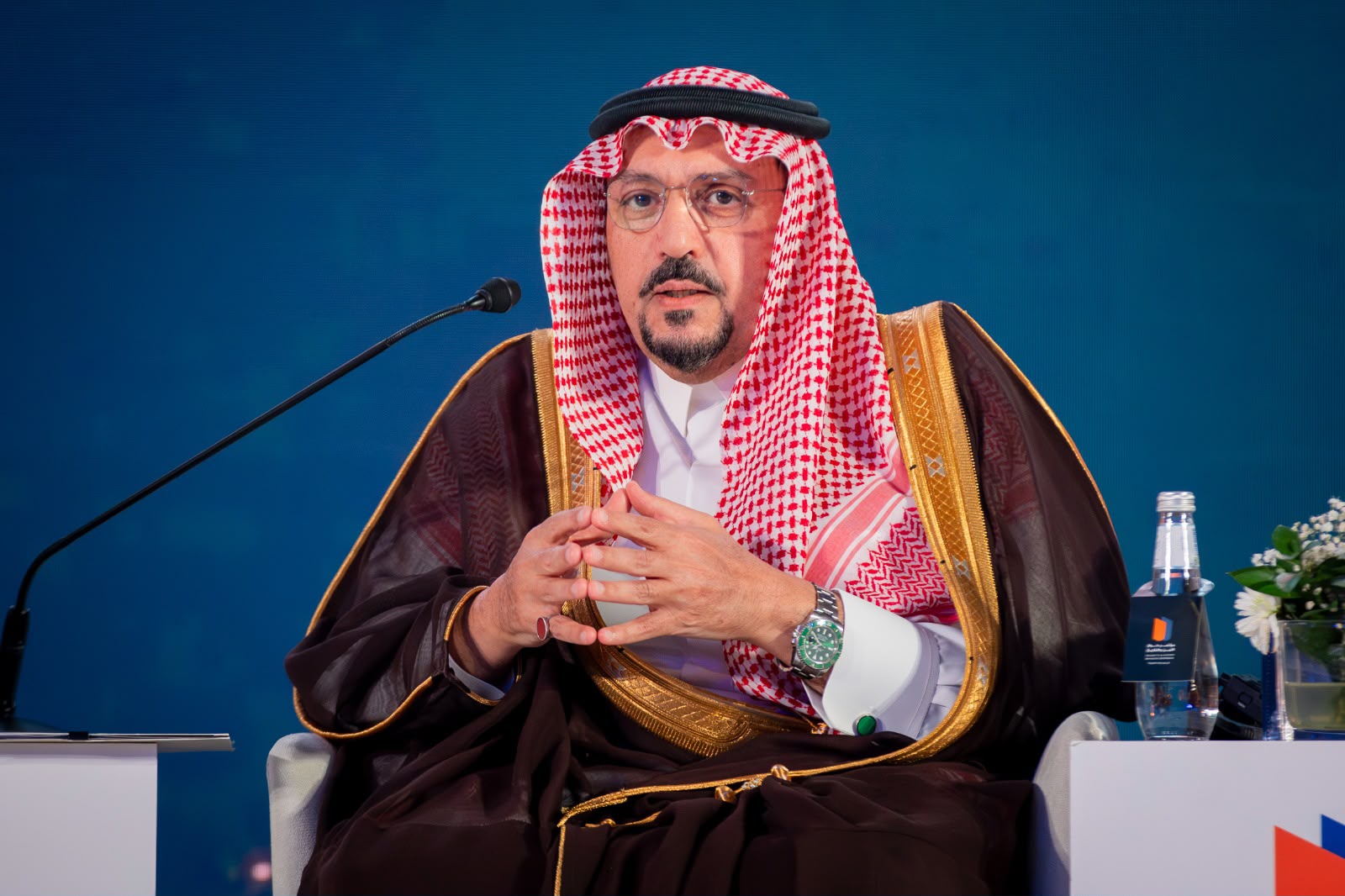
On the foundations of security in the Kingdom, Prince Faisal said the state was built on the Quran and the Sunnah, with the Basic Law of Governance rooted in that foundation, and that adherence to Sharia and the establishment of justice have remained central to the state’s stability. He cited the Quranic verse on retribution and life, linking the Kingdom’s security to its application of Sharia and to the institutions built over successive stages to protect society.
Reflecting on King Abdulaziz, Prince Faisal described him as an exceptional figure whose legacy is difficult to fully capture, citing accounts from writers who documented the founding and unification era. He pointed to the king’s strength of character, foresight, and political acumen, alongside his reputation for justice and compassion, noting that his relationship with his own children mirrored his paternal approach to the nation. Prince Faisal added that King Abdulaziz embraced modern technologies and developments that served the state and society, even where some innovations initially met resistance.
On his own experience governing Qassim, Prince Faisal said effective administration rests on two pillars — coordination and motivation — noting that inter-agency coordination shortens timelines, raises efficiency, and removes bureaucratic friction, while integration among security, military, and service entities in the region has accelerated delivery on shared goals.


